
Micromeria inodora
Micromeria inodora
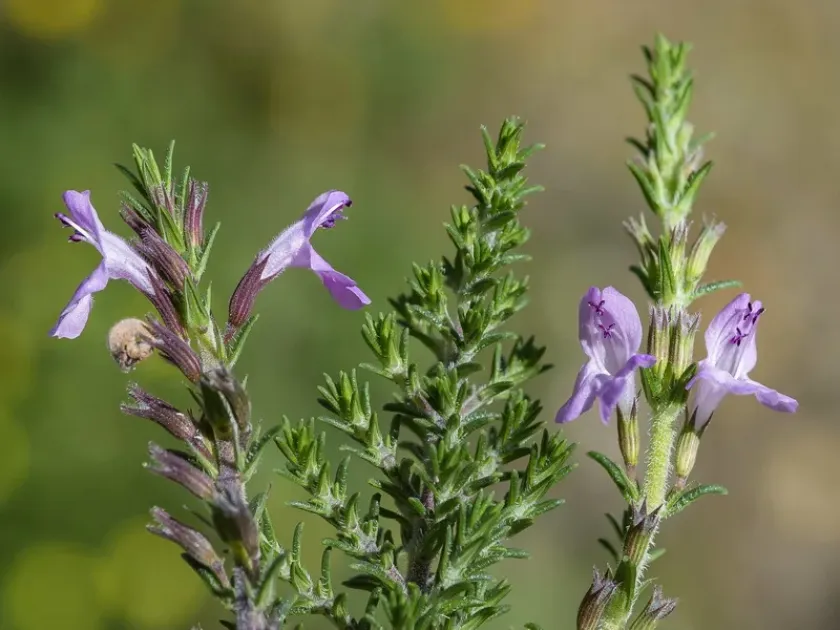
Description
Sowing dates
Micromeria inodora is a perennial herb that requires careful preparation for establishment, typically involving greenhouse sowing followed by transplanting.
Seeds are known for slow germination, which can be improved by cold stratification for several weeks before the planting season begins in early spring.
The optimal time for sowing is late winter, ensuring that seedlings are robust enough for field transfer once the soil has sufficiently warmed up.
When direct sowing is practiced, it is essential to ensure that the surface layer of soil remains consistently moist but not saturated until germination occurs.
Transplanting should be done at a spacing of 25 to 30 centimeters between plants to allow for proper airflow and root development during the main growth phase.
Growing requirements
As a member of the Lamiaceae family, this species thrives in well-drained, rocky, or gravelly soils that mimic its natural wild habitats.
The plant is highly drought-tolerant, preferring a sunny environment where it can fully develop its aromatic compounds without the risk of root suffocation.
Soil pH should ideally be neutral to slightly alkaline, and excessive fertilization—especially with nitrogen—should be avoided to preserve the plant's natural fragrance.
Environmental conditions must include high exposure to direct sunlight, as shade often results in weaker plants with reduced essential oil concentrations.
Proper field management requires maintaining a clean weed-free environment around the base of the plant to prevent competition for essential minerals and water.
Yield
The yield of Micromeria inodora is determined by the age of the plantation, with mature, well-established plants providing the most consistent biomass.
Harvesting for essential oil production is most profitable during the second and third years of growth, provided that the plants were managed correctly.
Strategic pruning after the first bloom can significantly increase the total seasonal yield by encouraging secondary lateral branching and foliage production.
Crop yields are generally stable, but may vary based on rainfall patterns; however, the plant’s resilience makes it a reliable choice for Mediterranean-style climates.
Farmers aim for a high leaf-to-stem ratio, which is achieved by implementing optimal planting densities and precise timing during the harvest cycle.
Main diseases and pests
Fungal pathogens represent the primary threat to this crop, particularly in instances where the soil drainage is compromised or humidity levels remain high.
Root rot is the most common issue, necessitating preventative measures such as raised beds or sandy substrate modifications to enhance vertical water movement.
Pest management often focuses on aphids and spider mites, which can become problematic during prolonged heat waves, especially if the plants are stressed.
Integrated pest management strategies are encouraged, utilizing botanical oils or predatory insects instead of heavy chemical pesticide intervention.
Maintaining clear irrigation channels and avoiding over-watering are the most effective ways to mitigate disease pressure and ensure crop longevity.
Harvesting
Harvesting is performed during the peak flowering stage to ensure the highest quality of raw material for culinary or industrial applications.
The upper parts of the stems are cut carefully to allow the plant to regenerate, ensuring it can return for subsequent seasonal harvests.
Immediate handling is crucial after harvest to prevent the leaves from losing their essential oils due to premature oxidation or improper drying conditions.
Air drying in shaded, well-ventilated structures is the preferred method to maintain the vibrant color and pungent aroma typical of the species.
Post-harvest processing involves gentle cleaning and milling to meet market standards, followed by storage in cool, dark environments to ensure shelf stability.