
Micromeria graeca
Micromeria graeca
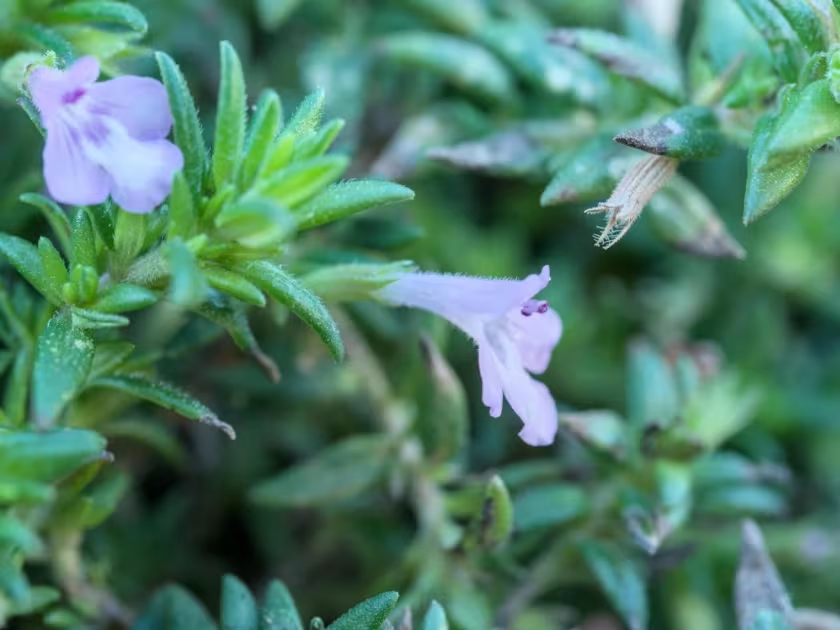
Description
Sowing dates
Micromeria graeca is a perennial herbaceous plant, and seeds should be sown in open fields during early spring once the soil temperature consistently reaches 12–15 degrees Celsius.
In regions with harsher climates, it is recommended to start seeds in trays indoors during late February or early March to ensure the development of vigorous seedlings before transplanting.
Since the seeds are extremely small, they should be sown on the surface of the growing medium and covered only with a very thin layer of fine sand or substrate.
Maintaining consistent moisture is crucial during the germination phase, but overwatering must be strictly avoided to prevent the damping-off of young sprouts.
When transplanting into fields, maintaining a spacing of 40–50 centimeters between rows is advised to provide adequate airflow and space for each plant to reach maturity.
Growing requirements
Belonging to the Lamiaceae family, Micromeria graeca thrives in well-lit environments and requires full sun exposure to stimulate the production of essential oils.
The plant prefers light, rocky, or sandy soils with excellent drainage, as the species is native to mountainous limestone regions and cannot tolerate waterlogged roots.
The crop is highly drought-tolerant, exhibiting physiological adaptations that allow it to flourish in semi-arid conditions with minimal supplemental irrigation.
A neutral to slightly alkaline soil pH is optimal, and adding calcium-rich amendments can improve the structural integrity and aromatic profile of the plants.
While the plant is hardy, it requires protection from severe frost in colder zones, often benefiting from mulching around the root zone during the winter months.
Yield
The yield of Micromeria graeca is primarily measured by the quality and quantity of essential oils extracted from the leaves and flowering tops during the growing season.
The first harvest can typically be expected in the second year, once the plant has established a dense canopy and a deep root system in the field.
Productivity is highly dependent on proper weed management and regular cultivation of the soil between rows, which helps in moisture retention and root aeration.
To maximize biomass and volatile oil content, sanitary pruning should be performed regularly to remove dead wood and encourage the growth of fresh, aromatic foliage.
The peak harvest window occurs at the height of the flowering stage, where the concentration of bioactive compounds is consistently at its highest level.
Main diseases and pests
Root rot is the most common threat to the crop, typically caused by poor soil drainage or excessive irrigation practices that saturate the root environment.
Pests such as spider mites and aphids may infest the plants during prolonged heat waves, potentially reducing the overall vigour and aesthetic quality of the herb.
Fungal diseases like powdery mildew can develop if planting density is too high, preventing proper air circulation and creating pockets of stagnant humidity.
Integrated pest management strategies, focusing on biological controls, are highly recommended to ensure the production of a clean, organic-grade essential oil.
Monitoring the fields regularly for signs of distress is the best way to prevent localized outbreaks from spreading to the entire plantation area.
Harvesting
Harvesting should be conducted during dry, sunny weather when the plants are in full bloom to ensure the maximum concentration of volatile aromatic compounds.
Using sharp, sterilized sickles or mechanical harvesters, the stems should be cut roughly 15–20 centimeters above the base to allow for rapid plant regeneration.
Post-harvest, the material must be dried immediately in shaded, well-ventilated areas to prevent the degradation of essential oils caused by excessive solar heat.
For industrial distillation, the green biomass should be transported and processed as quickly as possible to avoid the loss of volatile terpenes during storage.
A successful harvest results in dry, fragrant material that retains its natural color, serving as a high-quality ingredient for the pharmaceutical and cosmetic industries.