
Micromeria biflora
Micromeria biflora
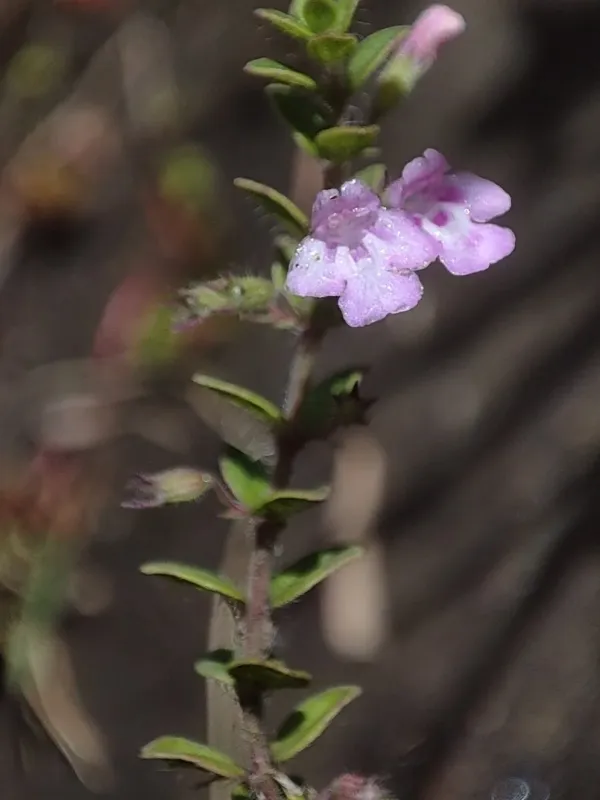
Description
Growing requirements
Micromeria biflora is a perennial herbaceous plant belonging to the Lamiaceae family. Often characterized as a small, aromatic shrub, it is highly valued for its volatile oils and its presence in traditional medicinal practices across its native range.
The species originates from mountain ranges in Asia and parts of Africa, specifically thriving in Himalayan and Ethiopian highlands. It typically inhabits rocky terrains, slopes, and cliffs, showing remarkable resilience to nutrient-poor soil conditions.
Botanically, it features slender stems and small leaves arranged in opposite pairs. The flowers appear in clusters of two, which distinguishes this species from others in the genus. The plant forms low-growing mats, which helps in moisture retention at the base of the stems.
Climatic requirements focus on high solar exposure and well-drained substrate. It is essential to avoid waterlogged conditions, as the root system of Micromeria biflora is highly susceptible to hypoxia and subsequent rot if the soil structure is too dense or wet.
Its primary commercial use is in the extraction of essential oils for the pharmaceutical and cosmetic industries. Furthermore, it is cultivated in rock gardens and landscapes due to its aromatic foliage and attractive, albeit small, floral display during the blooming season.
Main diseases and pests
Fungal diseases related to excessive soil moisture represent the primary threat to the health of Micromeria biflora. Root rot can manifest rapidly if the drainage system fails or if the plant is grown in overly heavy, clay-based soil.
Pests that commonly impact this crop include aphids and spider mites. These insects tend to colonize the plant during hot and dry periods, causing damage to the delicate leaf tissue and reducing the concentration of active essential oils.
Effective management involves maintaining good air circulation around the plants to prevent the formation of mold. Pruning and removing dead or wilted branches help in maintaining the vigor of the plant and reducing the surface area for potential fungal infection.
Integrated pest management (IPM) is recommended to control insect infestations. By using biological predators or botanical pesticides, growers can ensure that the final medicinal product remains free from harmful chemical residues.
Weed management is a critical task during the initial planting stages. Because the plant is relatively low-growing, it can easily be outcompeted by aggressive weeds, necessitating manual weeding and careful soil preparation before establishment.