
Micromeria sinaica
Micromeria sinaica
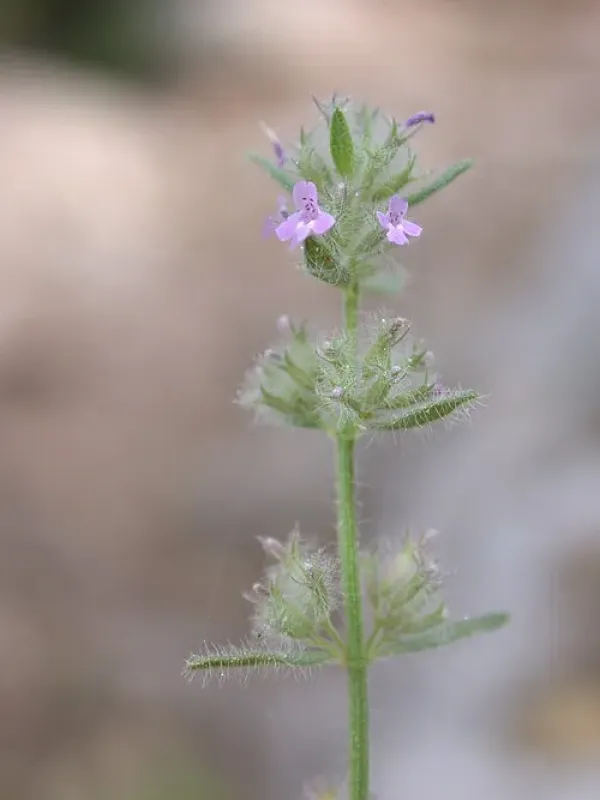
Description
Sowing dates
Micromeria sinaica is a perennial semi-shrub that is typically propagated by seeds when establishing new plantations. The optimal time for sowing is during the early spring months, specifically March or April, once the soil has warmed sufficiently to temperatures between 15 and 18 degrees Celsius.
The seeds of this culture are extremely small, necessitating a shallow sowing method with a light covering of substrate. In commercial cultivation, a nursery-based seedling method is often preferred to ensure uniform germination and high survival rates of the plants in their permanent locations.
Direct field sowing is feasible only in regions with mild climates, where late spring frosts are not a recurring issue. Pre-stratification of the seeds for a few weeks may be beneficial to improve germination rates, as the species is adapted to the specific conditions of mountain environments.
A crucial factor during sowing is the selection of a site that is well-protected from strong winds and receives abundant natural light. The planting density is calculated based on the plant's growth habit, typically aiming for 8 to 10 plants per square meter to ensure adequate spacing.
Following the emergence of seedlings and the development of the first few true leaves, thinning or transplanting is performed. Young plants require consistent watering until their root systems are fully established, a process that typically requires about four to six weeks of dedicated care.
Growing requirements
Micromeria sinaica belongs to the Lamiaceae family and naturally occurs in the rocky terrains of the Sinai Peninsula. The plant is inherently xerophytic, making it exceptionally well-adapted to surviving prolonged drought conditions and high solar radiation.
Successful cultivation requires well-drained, lime-rich, or rocky soils with a neutral to slightly alkaline pH. The plant is highly sensitive to waterlogged conditions, which means that heavy clay soils are unsuitable unless significant drainage improvements are implemented.
The plant thrives in Mediterranean-type climates characterized by hot summers and mild, cool winters. While it can withstand occasional dips in temperature, consistent exposure to cold and damp conditions can severely damage the root system and negatively affect plant health.
Agronomic management requires minimal fertilization, as the species is adapted to nutrient-poor soils. Excessive nitrogen applications should be avoided, as this promotes vegetative growth at the expense of essential oil production, ultimately reducing the quality of the raw material.
The crop requires open spaces and cannot tolerate shading from taller plants or dense canopy cover. Direct sunlight is the most critical environmental factor, as it drives the synthesis of the secondary metabolites and bioactive compounds for which the plant is commercially valued.
Yield
The yield of Micromeria sinaica is measured by the volume of dry aerial biomass harvested per season. Depending on the level of agronomic management and regional climatic conditions, a yield of 1.5 to 3 tons of dried material per hectare can be expected from a mature plantation.
The primary index of effectiveness for this crop is the essential oil content, which varies significantly depending on the phenological stage. The highest concentration of aromatic compounds is observed during full bloom, marking the optimal period for commercial harvest.
To maintain high productivity in perennial stands, regular rejuvenation pruning is recommended to stimulate the development of new lateral shoots. Without proper maintenance, yields tend to decline after three to four years, necessitating careful management of the plantation cycle.
Harvesting is performed either mechanically or manually, depending on the scale of production. It is essential to minimize the time harvested material stays under direct, intense sunlight, as this accelerates the loss of volatile essential oil components.
The product finds extensive application in the pharmaceutical industry and as a specialized culinary herb. The plant’s antiseptic and anti-inflammatory properties make it a versatile asset in both health-related and food-based processing industries.
Main diseases and pests
Typical threats to Micromeria sinaica include fungal diseases that flourish under conditions of excessive soil moisture. Root rot and Fusarium wilt are the most common pathogens, primarily resulting from improper irrigation practices or poor soil drainage.
Pests that commonly affect Lamiaceae species can also cause damage to this crop. Aphids and spider mites are the most frequent threats, particularly during hot and dry weather, as they feed on plant sap and can cause leaf curling and reduced growth.
Biological pest control methods are preferred in commercial fields to avoid contamination of the essential oil product with chemical residues. The use of synthetic pesticides is strictly regulated and generally discouraged to maintain the plant's ecological profile.
Preventative measures for disease management include ensuring optimal plant density to facilitate air circulation and adhering strictly to irrigation schedules. Early identification and removal of infected plants are essential to prevent the spread of localized outbreaks.
Weeds pose a significant threat during the early stages of establishment, as the growth of young Micromeria plants is relatively slow. Mechanical weeding is the primary method used to maintain a clear space, ensuring the young crop has access to light and soil nutrients.
Harvesting
Harvesting should be timed to coincide with the peak flowering period, when the plant's essential oil concentration is at its highest. Ideally, this occurs in the middle to late summer, during periods of stable, dry, and warm weather conditions.
Stems are harvested by cutting them 5–10 centimeters above the soil line. Using sharp tools ensures clean cuts, which aids in quick wound healing and encourages the plant to regenerate healthy shoots for future harvests.
Post-harvest processing involves drying the material in shaded, well-ventilated areas or controlled-temperature drying facilities. Temperatures should not exceed 35–40 degrees Celsius to prevent the degradation of heat-sensitive volatile aromatic compounds.
Once dried, the product should be stored in airtight containers in a cool, dark, and dry environment to preserve its commercial quality. Proper storage is critical to maintaining the plant's potent aroma and therapeutic efficacy over extended periods.
After the harvest season is complete, plantation maintenance involves clearing debris and providing light nutrient supplementation if necessary. This promotes long-term plant vigor and ensures the plantation remains productive for several years of cultivation.