
Micromeria microphylla
Micromeria microphylla
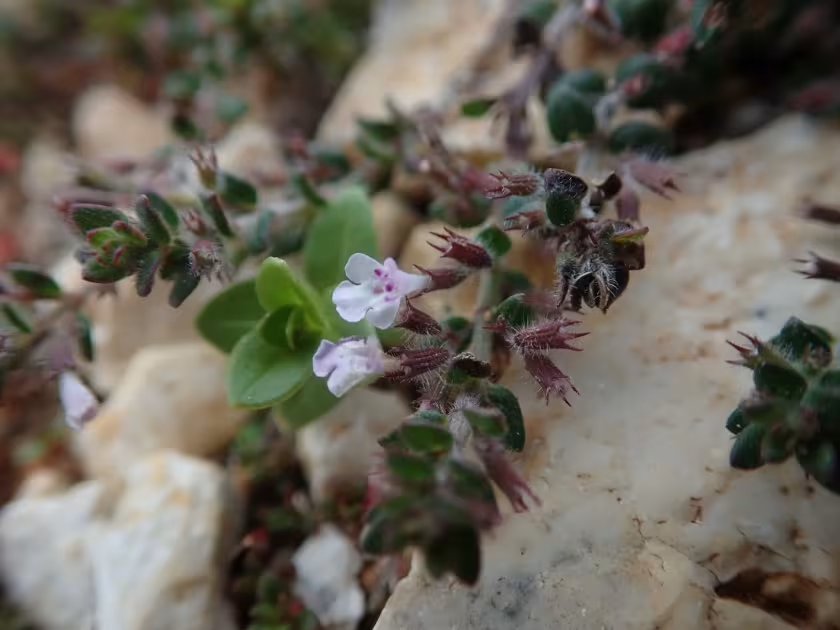
Description
Growing requirements
Micromeria microphylla is a perennial shrub belonging to the Lamiaceae family, known for its creeping habit and aromatic foliage. This species is native to the Mediterranean region, where it thrives in rocky, well-drained soils and arid environmental conditions.
To cultivate this plant successfully, one must provide full sun exposure and a substrate that prevents water stagnation. Sandy or calcareous soils are ideal for mimicking its natural habitat. Proper soil aeration is crucial to prevent root rot and support healthy development.
The plant requires minimal water once established, making it an excellent candidate for water-wise agriculture. However, during the initial planting phase, consistent moisture is necessary to allow the root system to develop adequately before the plant becomes drought-tolerant.
Climate requirements include mild winters and hot, dry summers. While it is hardy in many Mediterranean-like zones, extreme frost can damage the aerial parts of the shrub, necessitating protective measures in cooler temperate regions during the dormant winter months.
The economic value of Micromeria microphylla lies in its essential oil profile, which is rich in aromatic compounds. It is widely utilized in the food processing industry as a seasoning and in the cosmetic industry for its fragrant properties, making it a high-value niche crop.
Main diseases and pests
The primary threats to Micromeria microphylla are fungal pathogens caused by high humidity or poor soil drainage. Implementing proper spacing between rows and ensuring excellent air circulation within the canopy are the best preventive strategies for disease management.
Pests such as spider mites and aphids may infest the plants during prolonged heatwaves. Integrated pest management, focusing on biological controls and regular field monitoring, is recommended to keep pest populations below the economic injury level.