
Micromeria marginata
Micromeria marginata
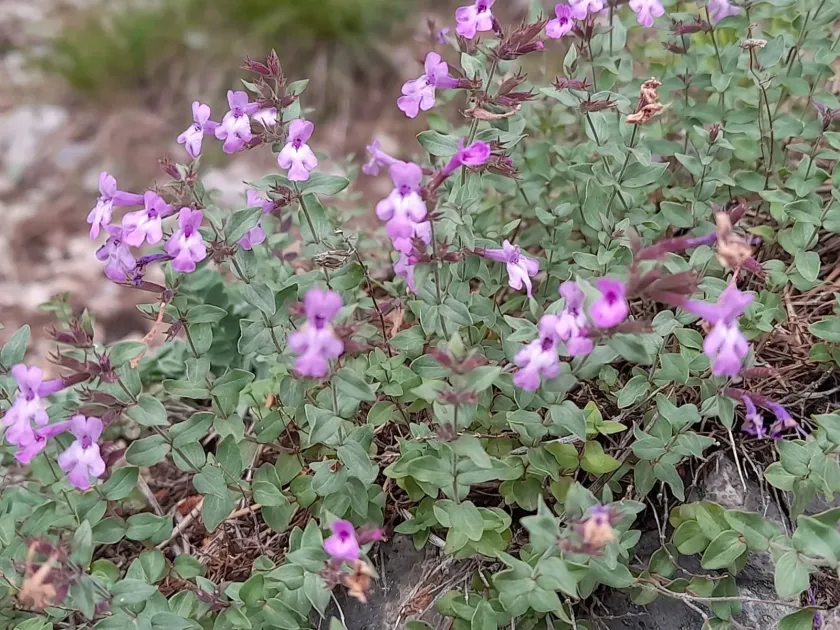
Description
Sowing dates
Micromeria marginata, a member of the Lamiaceae family, is a perennial herb valued for its aromatic properties. In an agricultural setting, sowing is best performed in spring when the soil has warmed to at least 10 degrees Celsius.
For greenhouse production or personal gardens, seeds can be started indoors in trays during late February or March. This allows for a stronger seedling development before transplanting into the field in May.
Direct sowing in the field is also feasible. Seeds should be sown at a shallow depth of no more than 1 cm to ensure adequate exposure to light, which is crucial for germination in many Lamiaceae species.
Spacing between rows should be maintained at 30 to 40 centimeters. Proper spacing is essential to ensure adequate air circulation, which prevents the development of moisture-related fungal issues during the growth period.
Vegetative propagation via cuttings or division of older clumps is a common and efficient method for establishing large plantations quickly. This ensures uniformity and preserves the characteristics of the parent plants.
Growing requirements
The plant thrives in full sun exposure. While it can tolerate light partial shade, excessive shading reduces the concentration of volatile essential oils, which are the main commercial value of the crop.
Micromeria marginata is highly adaptable to poor, rocky, or sandy soils, provided they have excellent drainage. It is notoriously intolerant of waterlogged soil conditions, which lead to root rot.
In terms of climate, the plant is remarkably drought-tolerant once established. It prefers a temperate climate and requires protection from extreme winter freezes in northern latitudes with little snow cover.
Management involves regular weeding in the first year to minimize competition. As the crop matures, it naturally creates a dense mat, which suppresses most weeds effectively, reducing the need for constant maintenance.
Fertilization should be kept to a minimum. High nitrogen levels tend to produce lush but weak foliage with lower oil content, so balanced organic fertilizers are preferred for high-quality aromatic output.
Main diseases and pests
Root rot caused by stagnant moisture is the most common threat. Proper drainage and site selection are the primary defense mechanisms against these soil-borne pathogens.
Aphids and spider mites are occasional pests that attack tender shoots. Integrated pest management, focusing on biological control or mild organic sprays, is usually sufficient to handle these infestations.
Powdery mildew may occur in stagnant, humid environments. Maintaining good air circulation through proper spacing and pruning helps prevent this fungal outbreak before it spreads through the field.
Because the plant contains high levels of essential oils, it is naturally resistant to many chewing insects. Its potent scent often acts as a natural deterrent for many common field pests.
Consistent monitoring and early detection are key. By managing the microclimate and ensuring proper aeration, growers can maintain a healthy crop without resorting to heavy chemical interventions.
Harvesting
Harvesting is ideally performed during the peak of flowering. This stage correlates with the highest concentration of essential oils, ensuring maximum potency for culinary or medicinal use.
The upper 15–20 cm of the stems should be carefully harvested using clean, sharp tools. This technique promotes healthy regrowth from the base of the plant, potentially allowing for a secondary harvest.
The harvested material must be dried in a shaded, well-ventilated area. Temperatures during the drying process should not exceed 40 degrees Celsius to prevent the loss of volatile aromatic compounds.
Culinary and medicinal uses are diverse, ranging from aromatic infusions and teas to specialized spices for culinary applications. The herb is prized for its antimicrobial and soothing properties.
Proper storage is essential to retain quality. Dried herb should be kept in airtight, opaque containers in a cool place, which helps maintain the characteristic scent and chemical profile for an extended period.