
Madeira micromeria
Micromeria maderensis
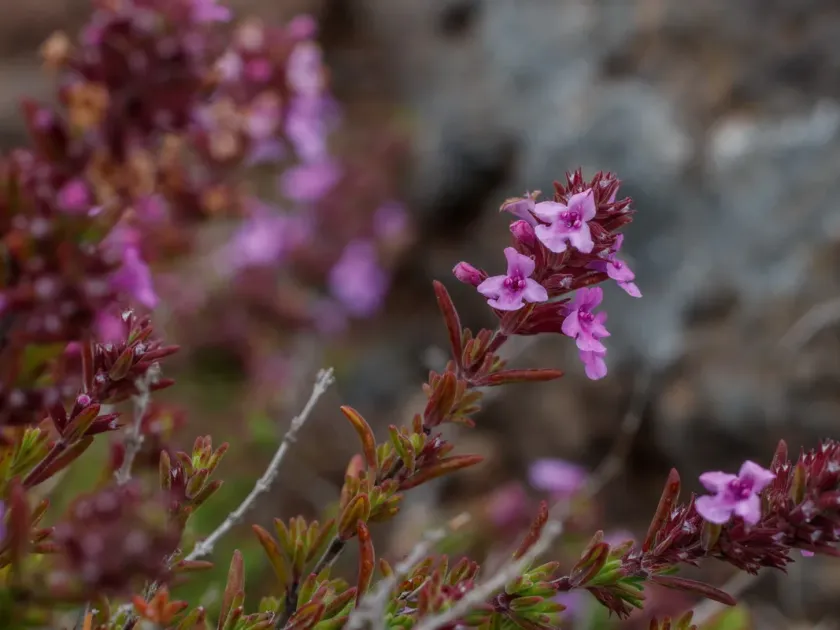
Description
Growing requirements
Madeira micromeria (Micromeria maderensis) is a perennial subshrub belonging to the Lamiaceae family, endemic to the island of Madeira. It is highly valued in horticulture and the fragrance industry for its intense aromatic properties.
The plant requires well-drained, sandy, or rocky soil with a slightly alkaline pH to thrive. It is extremely sensitive to waterlogging, which necessitates excellent drainage to prevent crown and root rot, especially in pot cultivation.
Cultivation should prioritize high light exposure, as this species requires full sun to develop its complex chemical profile and essential oils. In temperate zones, it must be grown in greenhouse conditions due to its lack of cold hardiness.
Watering requirements are moderate; it is essential to allow the growing medium to dry out significantly between irrigation cycles. Overwatering is the primary cause of failure in agricultural settings for this specific species.
Proper airflow is crucial for the health of Madeira micromeria. High humidity coupled with stagnant air can lead to the development of fungal pathogens, necessitating the use of spaced planting or ventilation systems in controlled environments.
Main diseases and pests
The primary threats to Micromeria maderensis include soil-borne fungi such as Phytophthora and Pythium species, which flourish in overly wet conditions. Prevention is centered on strict irrigation management and the use of sterile, well-draining substrates.
Pests like aphids and spider mites can occasionally affect the foliage, particularly when the plant is grown under glass. Integrated pest management strategies, such as biological control with predatory mites, are preferred over chemical pesticides.
Nutrient imbalances, particularly nitrogen toxicity, can weaken the plant and make it more susceptible to opportunistic diseases. Fertilization should be kept to a minimum, using balanced, slow-release formulas during the active growth season.
Viral infections are rare but can occur, usually transmitted by insect vectors. Maintaining strict hygiene, including disinfecting pruning tools, is essential to minimize the risk of cross-contamination in greenhouse operations.
Finally, competition from weeds is a significant threat in field conditions. Manual weeding is recommended, as the delicate root system of the micromeria can be damaged by mechanical cultivation equipment.
Harvesting
The harvesting of Madeira micromeria is timed to coincide with peak flowering. This ensures the maximum yield of essential oils, which are primarily stored in the glandular trichomes located on the leaves and calyces.
Harvesting techniques involve cutting the apical portions of the stems, leaving at least one-third of the foliage intact to allow for plant regeneration. This ensures sustainable production over several seasons.
Post-harvest handling is critical for maintaining quality. The material should be spread in thin layers in a dark, cool, and well-ventilated area to dry, preserving the volatile compounds that define the plant's aromatic profile.
Yield varies based on soil nutrition and light intensity, but intensive cultivation can produce multiple harvests within a single growing season if the environmental conditions are optimized.
Once dried, the herb is processed into dried tea blends, cosmetic additives, or essential oil extracts. Proper packaging in airtight, light-resistant containers is mandatory to prevent degradation of the active medicinal constituents.