
Micromeria juliana
Micromeria juliana
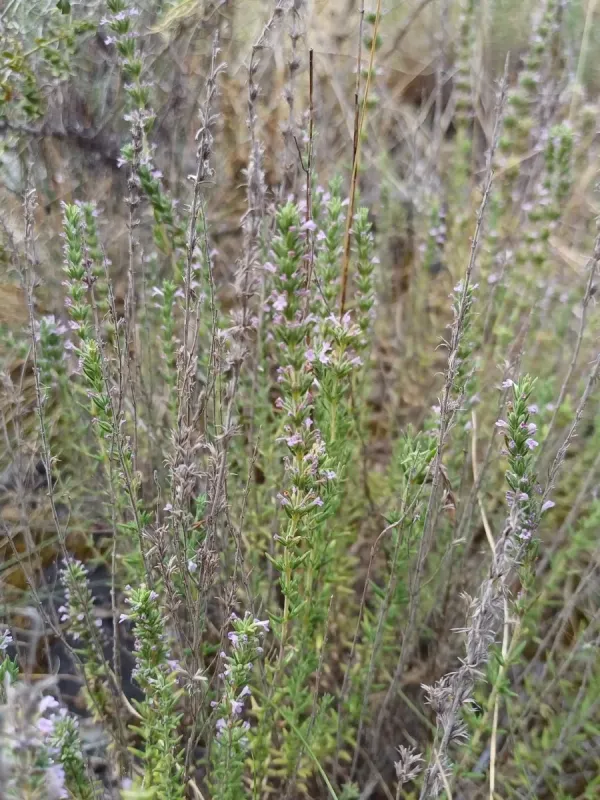
Description
Sowing dates
Sowing of Micromeria juliana is best performed in the early spring once the soil temperatures stabilize. Seeds should be sown in a well-draining, sandy-loam seedbed to prevent damping off during the germination phase.
When sowing in open fields, the depth should not exceed 1 centimeter as the seeds are quite tiny and require a sufficient amount of ambient light to successfully sprout and develop strong roots.
Maintaining a row spacing of 30 to 40 centimeters is essential for proper air circulation. After the seedlings reach a height of a few centimeters, thinning is necessary to ensure each plant has enough space to mature fully.
Propagation can also be achieved via cuttings taken during the early summer months. This method is highly effective for maintaining consistent plant quality and ensuring faster growth compared to starting from seed.
Transplanting seedlings requires careful handling of the root system. Providing shade for the first few days after transplantation helps the plant adapt to the new environment and prevents transplant shock.
Growing requirements
As a member of the Lamiaceae family, Micromeria juliana thrives in full sun conditions. Exposure to direct sunlight for at least 6 to 8 hours daily is critical for the development of its signature aromatic essential oils.
The plant demands a well-draining soil profile. It is perfectly adapted to rocky, calcareous, or nutrient-poor substrates, making it an excellent candidate for xeriscaping or rocky garden beds where other plants might fail.
While the species is highly drought-tolerant, consistent light watering during the establishment phase leads to a more robust plant structure. Avoid overwatering, as the roots are highly susceptible to rot in damp soil.
Temperature management is straightforward, as the plant prefers moderate to warm Mediterranean-like climates. In regions with severe frost, growing it in containers that can be moved indoors is a recommended strategy.
Fertilization should be kept to a minimum. An excess of nitrogen-based fertilizers will promote leafy growth at the expense of oil quality and overall hardiness, which is counterproductive for aromatic crop production.
Main diseases and pests
Fungal diseases are the primary concern for this crop, particularly in environments with high humidity and stagnant air. Root rot is the most common issue, often resulting from poor soil drainage or excessive irrigation.
Pests like spider mites and aphids may infest the succulent tops during hot, dry summer days. Using insecticidal soaps or biological controls is preferable to harsh synthetic chemicals to keep the herb safe for culinary use.
Powdery mildew can occur if air circulation is inadequate. Ensuring that plants are spaced properly and that the surrounding area is free from heavy vegetation helps mitigate this risk significantly.
Slugs and snails can cause damage to young foliage during wet weather. Implementing gravel mulching around the base of the plant acts as a deterrent and keeps the foliage dry, reducing the likelihood of pest attacks.
Root-knot nematodes can occasionally impact growth in established plantings. Practicing strict crop rotation, ensuring the plant is not grown in the same spot where other mint-family plants were recently removed, is essential.
Harvesting
Harvesting should be conducted at the height of the flowering period. This is when the concentration of essential oils is at its peak, providing the best flavor profile for both culinary and medicinal applications.
Using sharp garden shears, harvest the top 15 to 20 centimeters of the flowering stems. Harvesting is most effective when performed in the morning, once the dew has evaporated but before the heat intensifies.
Dry the harvested stems in a dark, cool, and well-ventilated area. Rapid drying using forced air at low temperatures helps to preserve the volatile compounds that give the plant its characteristic aroma.
Once dried, the leaves and flowers are stripped from the woody stems and stored in airtight containers. Glass jars kept in a cool, dark cupboard will maintain the herb's potency for an extended period.
The crop is utilized in various ways, including as a flavoring agent in traditional Mediterranean cuisine, a soothing component in herbal teas, and a fragrant ingredient in natural skincare and aromatherapy products.