
Erigeron karvinskianus
Erigeron karvinskianus DC.
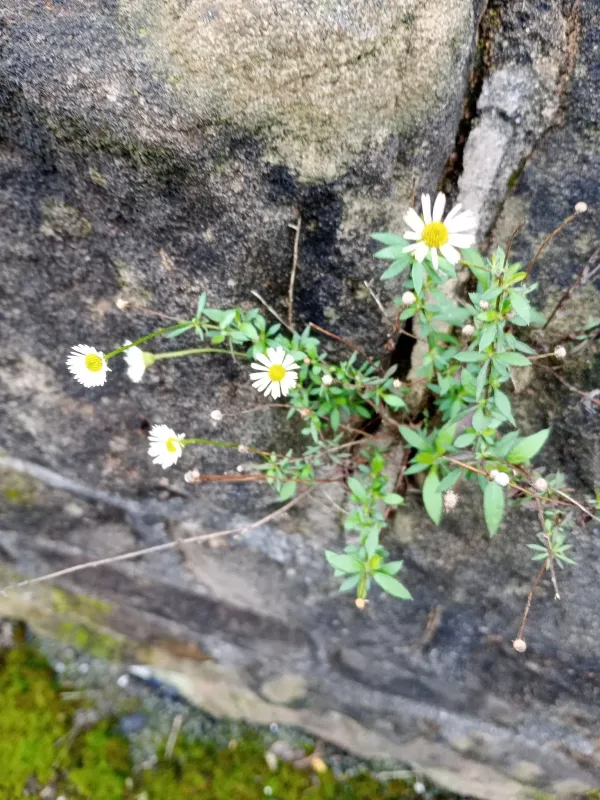
Description
Sowing dates
Erigeron karvinskianus, commonly known as Mexican fleabane, is a hardy perennial of the Asteraceae family. Propagation is primarily achieved through seeds, which should be sown in late winter or early spring in a greenhouse or indoors to ensure strong seedlings before the last frost.
The seeds are extremely fine and require light to germinate; therefore, they should not be buried deeply in the soil. A thin layer of fine substrate or vermiculite is sufficient to cover them, while maintaining a consistent temperature of around 18-20°C.
Once the seedlings develop their first true leaves, they should be pricked out into individual pots. This stage of development is crucial for establishing a robust root system before the young plants are hardened off and transplanted into their permanent outdoor locations.
Direct sowing in the garden is possible in warmer climates after the risk of frost has passed. Seeds should be surface-sown on well-prepared, fine-textured soil and kept moist until germination, which usually occurs within three weeks of sowing.
Vegetative propagation by division is another common method to increase stock. This is best performed in the spring when the plant begins to actively grow, allowing the separated clumps to establish themselves quickly in their new environment throughout the summer season.
Growing requirements
This species thrives in full sun but is remarkably adaptable to partial shade. Exposure to adequate sunlight is essential for maintaining the plant's compact, bushy habit and ensuring a profuse display of flowers that change from white to pink as they mature.
Erigeron karvinskianus prefers well-drained, neutral to alkaline soils. It is particularly well-suited for rocky crevices, walls, and gravel gardens where its drought-tolerant nature allows it to flourish in conditions where other plants might struggle.
Watering requirements are relatively low once the plant is established. While it appreciates moisture during the initial growth phase, mature plants can withstand periods of drought, making them an excellent choice for low-maintenance landscaping and sustainable garden design.
Fertilizer application should be kept to a minimum. Over-fertilization, especially with high nitrogen content, leads to excessive foliage growth and a reduction in the abundance of flowers, potentially weakening the plant's natural structural integrity.
In regions with harsh winters, providing a light protective mulch can help the plant survive. In mild climates, Erigeron karvinskianus often remains semi-evergreen, providing ground cover and interest throughout the year in a variety of horticultural applications.
Main diseases and pests
Root rot is the most common threat, usually caused by poor drainage or excessive water retention in the soil. Ensuring a gritty or rocky planting medium is the best preventative measure against fungal infections affecting the crown and roots.
Powdery mildew may occur if air circulation around the plants is restricted, especially in humid conditions. Keeping the planting area tidy and allowing enough space between plants helps mitigate this issue by promoting better airflow and reducing humidity.
Aphids and spider mites are potential pests that target the soft tissues of the plant, particularly during dry spells. Regular inspection is recommended, and if an infestation is detected, simple horticultural soaps or organic pesticides are usually effective controls.
Slugs and snails can cause damage to the foliage, particularly in damp environments. Utilizing physical barriers such as copper tape or crushed eggshells around the base of the plant can provide effective protection against these common garden gastropods.
Deadheading spent flowers is a beneficial maintenance practice that prevents the plant from diverting energy into seed production. This simple action encourages the plant to continue blooming for a longer period and keeps the foliage clean and healthy.