
Hybrid fleabane
hybrids between Erigeron karvinskianus DC. and Erigeron speciosus (Lindl.) DC.
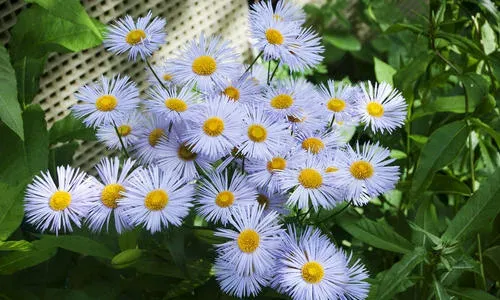
Description
Sowing dates
Sowing of Hybrid fleabane seeds in a controlled environment usually begins in March or early April. The seeds are small and require light for germination, so they should be sown on the surface of the substrate without being covered with soil.
Once the seedlings develop two or three true leaves, they should be transplanted into individual pots to encourage stronger root development. Outdoor planting takes place in late May, ensuring plants are spaced approximately 25–30 centimeters apart to prevent overcrowding.
Direct sowing into the soil is also an option once the danger of frost has passed in late spring. While this method is simpler, starting with seedlings ensures a more robust plant structure and reliable blooming during the first year of growth.
As a member of the Asteraceae family, the plant is known for its vigor and ability to thrive in various garden settings. Dividing the clumps every 3–4 years is a recommended agricultural practice to prevent the center of the plant from dying out and to maintain floral production.
Selecting the right location is crucial; the plant performs best in full sun exposure. Adequate light is essential for the plant to maintain its compact growth habit and produce the abundant daisy-like blooms that characterize the species.
Growing requirements
The plant thrives in well-drained, light loamy soils with a neutral or slightly alkaline pH. Drainage is a priority, as the roots are susceptible to rot if subjected to waterlogging or heavy, compacted soil conditions during the growing season.
Regular but moderate watering is necessary, especially during dry spells in mid-summer. Maintaining consistent soil moisture helps the plant stay healthy, but over-saturation should be avoided to prevent common root-related issues.
Fertilization with a balanced mineral mix during the early growing season encourages healthy foliage development. However, excessive nitrogen should be avoided as it promotes leaf growth at the expense of flower bud formation.
While the hybrid is generally hardy, mulching the root zone with organic material like peat or compost during winter provides protection against severe frost cycles in colder climates. This practice ensures better plant survival and quicker spring growth.
Routine garden maintenance, such as deadheading faded flowers, is vital for extended blooming. This action redirects the plant’s energy into producing new buds rather than setting seed, significantly increasing the aesthetic value of the planting.
Main diseases and pests
Powdery mildew is a common threat, particularly in humid conditions with poor air circulation. It appears as a white, dusty film on the leaves, which can be managed using systemic fungicides and ensuring plants have enough space between them.
Leaf spot diseases may occur if plants are kept too damp. Managing these involves removing infected leaves immediately to curb the spread and ensuring that overhead watering is minimized in favor of base-level irrigation.
Aphids and plant bugs are the most frequent insect pests. These organisms pierce the stems and leaves to extract sap, causing deformation. Early detection and the use of appropriate insecticides can effectively mitigate their impact.
Root-knot nematodes can occasionally cause stunted growth and yellowing of the foliage. If significant damage is detected, the affected plants must be removed and the soil treated or replaced to stop the spread of these microscopic soil-dwellers.
Constant monitoring and keeping the garden clean of debris are the best preventative strategies. A healthy plant, grown in optimal soil and light conditions, will generally have a much higher tolerance to these common threats.
Harvesting
For ornamental or commercial use as cut flowers, harvesting occurs when the inflorescences are fully open but fresh. Cutting stems at this stage ensures a longer vase life and keeps the plant stimulated for secondary flushes of bloom.
To collect seeds for propagation, one should wait for the flower heads to turn brown and dry naturally on the stem. Collect the seeds in dry weather, clean them of debris, and store them in a cool, dry place to maintain their viability.