
Seaside daisy
Erigeron glaucus Ker-Gawl.
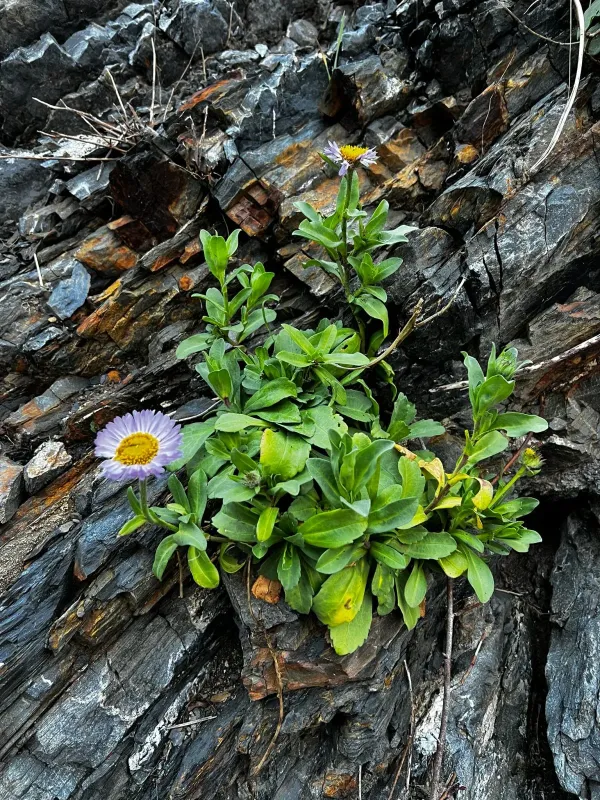
Description
Sowing dates
Seaside daisy, botanically known as Erigeron glaucus, is typically propagated from seeds or division. Sowing usually occurs in early spring, once the danger of severe frost has passed and soil temperatures have risen.
For container starting, sow seeds in a well-draining seed-starting mix. Lightly press the seeds into the soil, as they require a bit of light for optimal germination, and maintain a consistent temperature of around 18-21°C.
Transplanting seedlings to the garden should be done when they have developed several true leaves. Acclimatize the young plants gradually to outdoor conditions over a week to ensure they establish well in their new location.
Choose a site that receives full sun to light shade, depending on the intensity of the regional summer heat. Proper spacing of 30-45 cm is crucial to allow for adequate airflow, which is vital for preventing foliage diseases.
Direct sowing in outdoor beds can be done in milder climates. Ensure the soil is loosened and free of weeds before scattering the seeds, and keep the surface moist until the seedlings emerge.
Growing requirements
Native to the coastal bluffs and beaches of California and Oregon, Erigeron glaucus is highly adapted to sandy, rocky, and saline environments. It thrives in soils that provide excellent drainage.
The plant performs best in neutral to slightly alkaline, low-fertility soils. Heavy clay soils should be amended with organic matter and gravel to ensure they do not become waterlogged, which is the most common cause of plant failure.
Watering requirements are moderate. While the plants are somewhat drought-tolerant once established, they benefit from regular watering during prolonged dry spells to maintain their lush, blue-green foliage.
Climate-wise, this perennial prefers coastal conditions with moderate temperatures. It handles cool, foggy mornings well but may struggle in regions characterized by intense, humid, sweltering heat without adequate airflow.
Little to no fertilization is required. If growth is sluggish, a light application of a balanced, slow-release fertilizer in early spring is sufficient to support blooming without causing weak, spindly growth.
Yield
In ornamental horticulture, the productivity of Seaside daisy is measured by its aesthetic contribution to the landscape. It is widely prized for its long blooming season, producing lavender-blue flowers with yellow centers.
These plants are highly effective as ground covers, rock garden specimens, or border plants. They form compact, tidy clumps that remain evergreen in many mild climates, providing year-round interest.
The yield of flowers can be maximized through diligent deadheading. Removing spent blooms prevents the plant from setting seed prematurely and redirects energy back into the production of fresh floral stalks.
Seaside daisy is also an excellent choice for pollinator gardens, as it attracts a variety of bees and butterflies. This ecological service makes it a valuable addition to biodiversity-focused landscape projects.
For commercial growers, the plant is highly marketable due to its low maintenance needs and high resistance to salt spray, making it a staple for coastal residential and municipal landscaping projects.
Main diseases and pests
Fungal issues such as powdery mildew are the most common threats to Erigeron glaucus. These occur primarily when the plant is kept in overly damp conditions with poor air circulation around the base.
Root rot is a critical concern, especially in garden beds with heavy soil. Improving drainage by planting on slight slopes or incorporating sand into the root zone is the best preventative strategy against this fatal condition.
Pests like aphids can occasionally infest the flower buds. While usually manageable, heavy infestations may require the use of insecticidal soap or a strong stream of water to dislodge the insects safely.
Gastropods, including snails and slugs, find the succulent-like foliage quite attractive. Using copper tape barriers or non-toxic baits around young plants can effectively manage these pests during the wet spring months.
Proper hygiene is essential; always remove and dispose of diseased or dead plant material to minimize the risk of spreading pathogens. Avoiding overhead irrigation can also significantly reduce disease pressure.