
Aspen fleabane
Erigeron speciosus (Lindl.) DC.
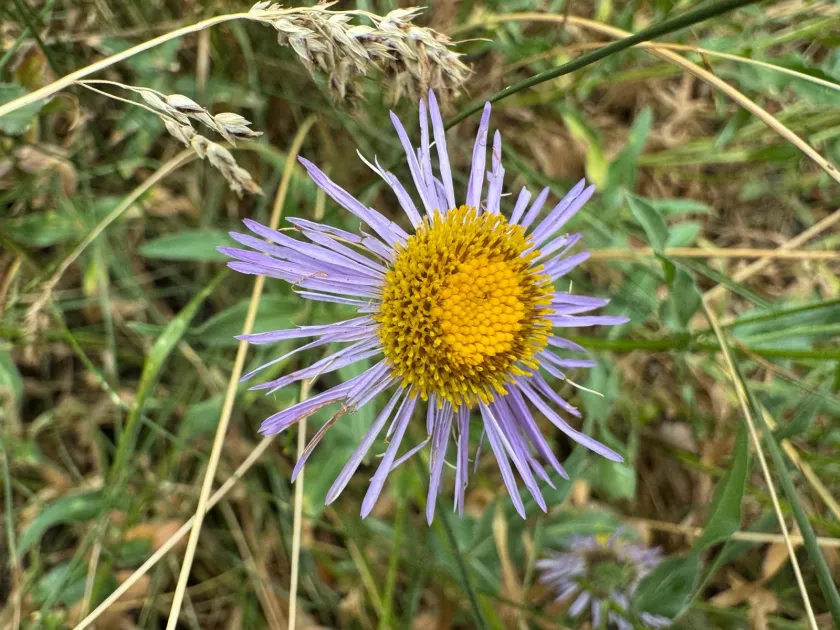
Description
Sowing dates
Seeds of Erigeron speciosus are typically sown indoors in late March or early April to ensure strong seedlings ready for transplanting into the open field.
Direct outdoor seeding is possible in warmer regions during May, provided that the soil has warmed up sufficiently and there is no further risk of spring frosts.
The seeds require light to germinate effectively, so they should not be covered deeply; pressing them gently into moist soil is the recommended practice for optimal results.
Propagation can also be achieved by dividing established clumps in early spring or late summer, which helps maintain the vigor of the perennial stock.
Spacing plants approximately 30 centimeters apart is ideal for ensuring sufficient air circulation and preventing competition for nutrients between the individual plants.
Growing requirements
Aspen fleabane is a perennial herb belonging to the Asteraceae family, native to the western regions of North America, where it thrives in diverse mountain habitats.
The plant requires full sun exposure and well-draining, fertile, slightly alkaline to neutral soil to reach its full flowering potential throughout the growing season.
While the plant is hardy and adapts well to cold climates, it is essential to prevent waterlogged soil, as this can lead to root rot during dormant winter months.
Standard agronomic care involves moderate irrigation during drought conditions, mulching to maintain soil structure, and applying balanced fertilizers in early spring.
Deadheading faded blooms is a critical maintenance task that promotes secondary flowering and prevents the plant from wasting energy on seed production.
Main diseases and pests
The primary pathological threat to the crop is powdery mildew, which can develop rapidly during periods of high humidity and poor atmospheric circulation.
Common insect pests, including aphids and spider mites, may infest young shoots during hot and dry summer months, requiring consistent monitoring and intervention.
Integrated pest management strategies, such as maintaining proper planting density, are the most effective ways to mitigate the risk of disease and insect outbreaks.
If chemical control becomes necessary, using approved fungicides and systemic insecticides according to the manufacturer's label is crucial for safe application.
Sanitation practices, such as removing infected leaves and debris, remain the first line of defense in managing the health of these perennials in a controlled environment.