
Mentha diemenica
Mentha diemenica Spreng.
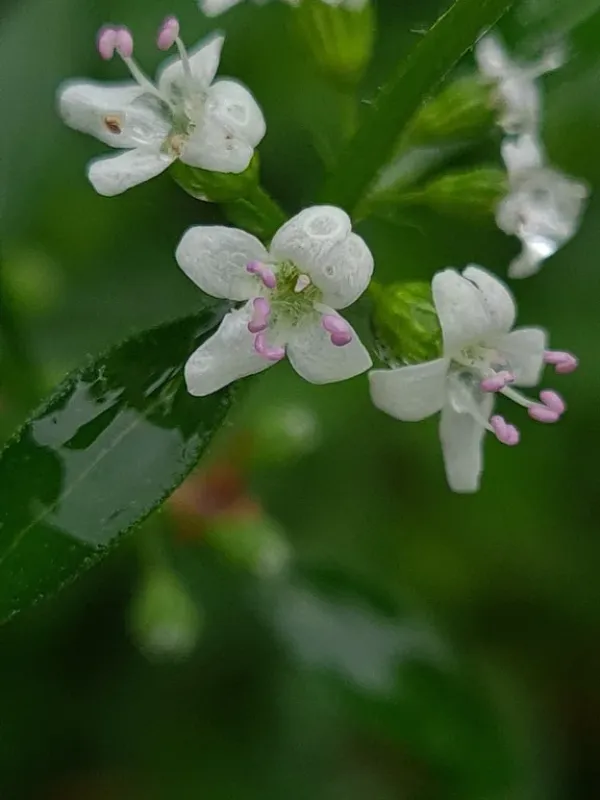
Description
Growing requirements
Mentha diemenica, commonly known as slender mint, belongs to the Lamiaceae family. It is a perennial herbaceous plant native to Australia, particularly distributed across the southeastern regions, including Tasmania, New South Wales, and Victoria.
This species thrives in moist, well-drained soils rich in organic matter. In its natural habitat, it is frequently observed along riparian zones, damp meadows, and depressions where water availability is consistent throughout the growing season.
The plant prefers a temperate climate and does not tolerate extreme frost or heat stress well. Successful cultivation requires careful site selection, often involving locations that provide mild thermal conditions and protection from harsh winds.
Lighting requirements are best met with partial shade or filtered sunlight. While the plant can tolerate full sun in high-latitude environments, it generally performs better when shielded from the intense afternoon heat in warmer zones.
Agricultural management should prioritize soil moisture regulation and weed control. Since Mentha diemenica is a spreading perennial, adequate spacing is required during planting to ensure proper airflow and prevent the development of root competition.
Main diseases and pests
Like many Lamiaceae species, Mentha diemenica is susceptible to fungal diseases such as powdery mildew and root rot. These pathogens primarily thrive in environments with poor soil drainage or excessive humidity levels combined with stagnant air.
Pests such as aphids and spider mites can occasionally affect the foliage, especially during periods of water stress or nutritional imbalance. Regular monitoring and integrated pest management practices are essential to mitigate these risks effectively.
The use of chemical pesticides should be minimized, especially if the crop is intended for pharmaceutical or culinary markets. Biological controls and the introduction of predatory insects are preferred methods for maintaining plant health.
Cultural practices, such as removing debris and infected plant parts, significantly reduce the inoculum load in the field. Sanitation is a cornerstone of preventing the spread of diseases within the cultivation area.
Soil monitoring for pH and nutrient levels is also critical, as deficiencies can weaken the plant's natural immune response. A balanced fertility program helps maintain vigorous growth, making the plants more resilient to environmental and biotic stressors.
Harvesting
Harvesting is typically conducted at the onset of the flowering stage to maximize the concentration of volatile oils. This timing ensures that the plant material contains the highest percentage of compounds valued for its fragrance and medicinal use.
Stems are cut using sharp equipment, ensuring that the base of the plant remains intact to support regrowth for subsequent harvests. Proper cutting height is vital for the longevity of the perennial stand.
Immediate post-harvest processing is required to preserve the quality of the essential oils. The harvested biomass is spread thinly in a shaded, well-ventilated area to initiate the drying process under controlled temperatures.
Drying continues until the moisture content is low enough to prevent microbial spoilage while remaining high enough to protect the integrity of the essential oils. Proper monitoring of drying racks prevents the loss of volatile terpenes.
Once dried, the mint is processed for extraction or packaging. Ensuring the final product is stored in airtight containers away from heat and light is essential for maintaining the aroma and biological activity for extended shelf-life.