
Maytenus undata
Maytenus undata
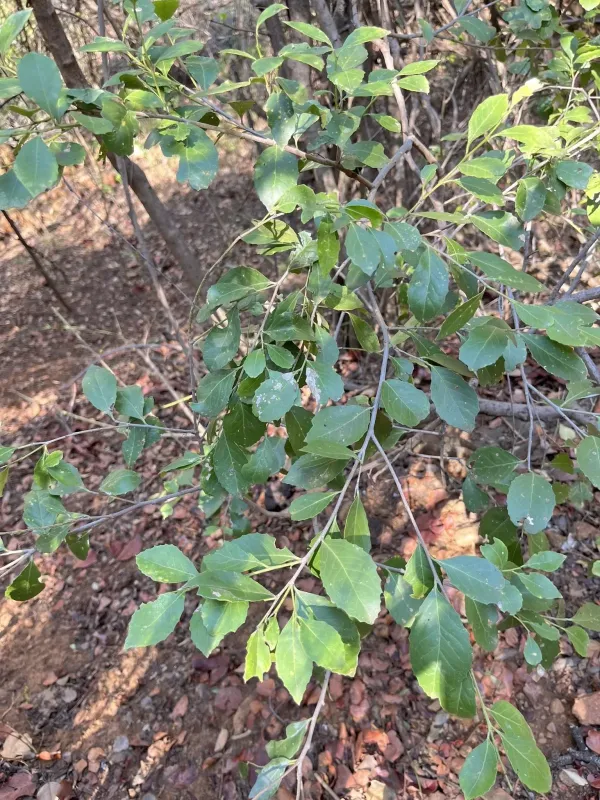
Description
Growing requirements
Maytenus undata is an evergreen tree or large shrub belonging to the Celastraceae family. It is widely recognized for its robust nature and shiny, wavy-margined leaves that provide an excellent year-round appearance in diverse garden settings.
The species is native to sub-Saharan Africa, where it thrives in a variety of habitats ranging from forest margins to coastal bushveld. Its evolutionary adaptation to these environments makes it a hardy candidate for cultivation in similar frost-free climates.
Regarding soil requirements, this plant prefers deep, well-drained loamy soils. It displays a degree of tolerance for different soil types, provided that waterlogging is strictly avoided to prevent root diseases and ensure healthy growth.
The species requires full sun to partial shade for optimal development. In high-temperature areas, light afternoon shade may be beneficial to prevent leaf scorching, especially in young plants that have not yet established a deep root system.
In terms of agricultural and landscape use, Maytenus undata is frequently utilized as a screening plant or a windbreak. Its dense canopy and tolerance to pruning make it an ideal choice for hedge formation in sustainable landscaping projects.
Main diseases and pests
Pests such as scale insects and mealybugs represent the primary threat to the health of Maytenus undata. These sucking insects can accumulate on the stems and undersides of leaves, leading to soot mold development and stunted growth.
Fungal leaf spot diseases are common in humid conditions with poor air circulation. Regular pruning to thin the inner branches is a recommended agricultural practice to improve ventilation and reduce the risk of pathogen spread.
Root rot, caused by various soil-borne pathogens like Phytophthora, can affect the plant if drainage is inadequate. Ensuring that the site is well-drained is the most effective preventative measure against these silent threats.
In some regions, foliage-eating caterpillars can cause localized damage to the canopy. Periodic monitoring is essential to catch infestations early before they lead to significant defoliation of the shrub or tree.
Effective management includes implementing a balanced fertilization program to keep the plant vigorous. A strong plant is naturally more resilient to environmental stress and secondary pest or disease attacks throughout its lifecycle.