
Maytenus oleoides
Maytenus oleoides
Description
Growing requirements
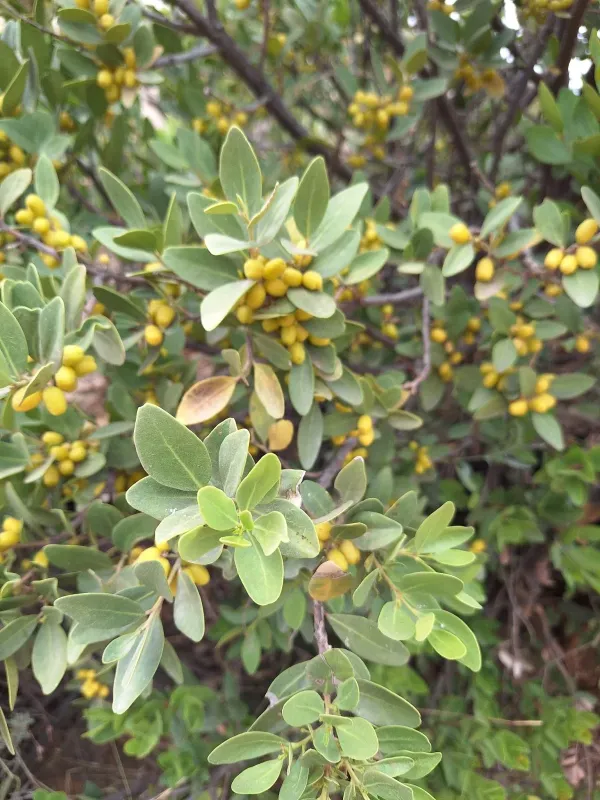
Maytenus oleoides is a robust evergreen tree or shrub belonging to the Celastraceae family. Native to the diverse landscapes of South Africa, this species is well-regarded for its adaptability to challenging environmental conditions and its resilience against various stressors.
The plant thrives in well-drained soil types, particularly sandy or rocky substrates that prevent waterlogging. It is highly valued in xeric landscaping for its ability to withstand prolonged dry spells once it has established a mature and deep root system in its environment.
Exposure to full sunlight is essential for maintaining the characteristic dense foliage of Maytenus oleoides. While it prefers sunny locations, it can tolerate partial shade in its juvenile stages, provided that the soil conditions remain appropriate for its biological needs.
Regarding moisture, the species is classified as drought-tolerant. Irrigation should be managed carefully to avoid water accumulation around the root collar, which can lead to fungal infections. During the initial planting year, consistent watering is recommended to encourage growth.
Temperature resilience is a key feature, as the plant can endure hot summers and mild winters. It is suitable for Mediterranean or subtropical climates; however, it requires protection against severe frosts, as prolonged exposure to freezing temperatures may damage the canopy.
Harvesting
The primary economic use of Maytenus oleoides is within the ornamental and landscaping sectors. Due to its dense structure and evergreen nature, it is frequently utilized as a screening plant, a security hedge, or a resilient windbreak in gardens and public parks.
The wood of this species is known for its high density and strength. While not used for large-scale timber production, it has historically been utilized for crafting specialized tools and durable objects, highlighting the utility of the plant beyond its visual appeal.
Ecologically, the plant acts as a vital food source for avian species, as its fruits are consumed by local birds. This makes the species an excellent choice for conservation-focused gardening projects aimed at enhancing local biodiversity and attracting native fauna.
Propagation is typically conducted through seeds, which often require scarification to break dormancy and ensure consistent germination rates. Successful establishment requires a controlled nursery environment before transplanting the saplings into their permanent locations.
Maintenance routines involve minimal intervention, focusing primarily on formative pruning. Pruning should be performed after the growth season to maintain the desired aesthetic shape and to ensure that the internal parts of the canopy remain healthy and aerated.