
Maytenus boaria
Maytenus boaria
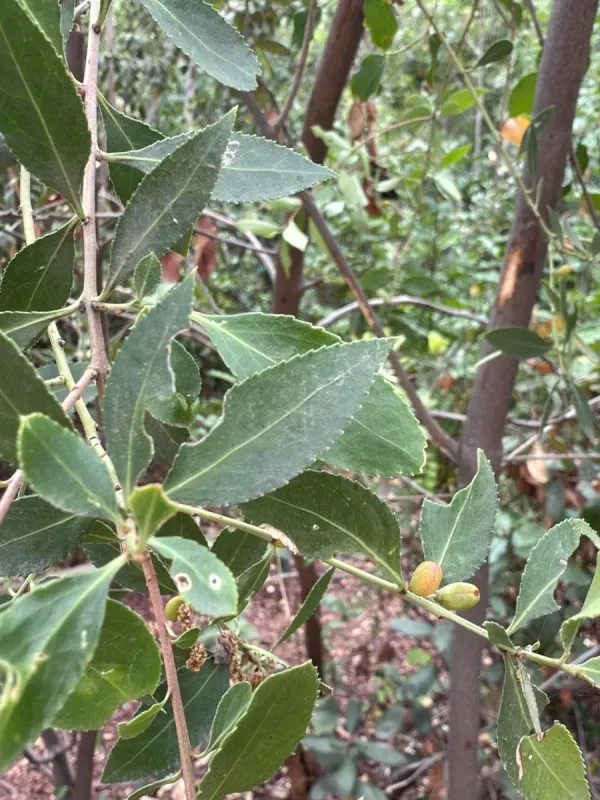
Description
Sowing dates
Propagation of Maytenus boaria is typically achieved through seeds or stem cuttings. Seeds require a period of stratification to improve germination rates and should be sown in a well-draining seed-starting mix under protected greenhouse conditions.
For cutting propagation, semi-hardwood stems are selected during the summer months. After treating the bases with rooting hormones, cuttings are kept in a high-humidity environment until a robust root system develops.
Young seedlings require attentive care, including consistent soil moisture and protection from intense direct sunlight during the first few years. Gradual hardening off is essential before transplanting them into the open ground.
The best time for planting in suitable climates is early spring, allowing the tree to establish its root system before the arrival of summer heat. In colder zones, it is highly recommended to use containers that can be moved indoors during winter.
When planning a landscape arrangement, spacing should reflect the mature tree's canopy width, which often reaches several meters. Providing enough room ensures healthy air circulation and prevents overcrowding between specimens.
Growing requirements
Maytenus boaria, belonging to the Celastraceae family, is an elegant evergreen tree native to the central and southern regions of Chile and Argentina. It is highly valued for its weeping form and delicate foliage.
The tree thrives in fertile, well-drained soils with a pH ranging from neutral to slightly acidic. It performs best in sites that are sheltered from harsh winds, which can desiccate the evergreen leaves during extreme cold spells.
In terms of climate, it prefers temperate environments and is generally hardy down to -10 degrees Celsius. While it can withstand occasional dry periods once mature, it performs best when provided with regular irrigation throughout the growing season.
Sunlight exposure is crucial for the development of its signature dense canopy; however, it can also tolerate partial shade in hot summer climates, where it benefits from midday protection to prevent foliage stress.
Routine maintenance includes light applications of balanced fertilizers in early spring to support vigorous growth. Due to its naturally graceful shape, significant pruning is rarely necessary except for aesthetic shaping or structural health.
Yield
The primary use of Maytenus boaria is ornamental landscaping. Its graceful, pendulous branches and evergreen nature make it an ideal choice as a focal point in parks, large gardens, and urban green spaces.
The wood of this tree is known for its remarkable density and hardness. Historically and locally, it has been used for crafting durable hand tools, handles, and small wooden furniture, though it is not a primary timber crop.
It plays a significant role in local reforestation and ecological restoration projects in its native South American range. The tree is recognized for its longevity and its capacity to thrive in various slope conditions.
Beyond its physical properties, Maytenus boaria offers substantial ecological value by providing shelter and nesting sites for various bird species throughout the year, owing to its persistent green canopy.
Gardeners appreciate its low-maintenance lifestyle and its ability to act as a natural screen. When planted in rows, it creates an effective evergreen hedge that maintains its color and visual appeal through all four seasons.
Main diseases and pests
Maytenus boaria is generally resilient to pests, but poor air circulation and excessive humidity can invite fungal issues, such as powdery mildew, especially in sheltered or greenhouse environments.
Scale insects represent a common threat to the branches, feeding on plant sap and potentially weakening the tree. Regular inspection of the bark and leaves is recommended to catch infestations early.
Spider mites may affect container-grown plants or those in dry conditions. Keeping the foliage clean and maintaining adequate ambient humidity are effective preventative measures against mite proliferation.
Root rot is the most serious threat, typically resulting from waterlogged soil. Ensuring a well-draining planting site and avoiding over-irrigation are vital steps to safeguard the health of the root system.
Sanitary pruning is essential to remove damaged or diseased wood, which prevents the entry and spread of pathogens. Keeping the canopy clean and ventilated significantly boosts the tree's natural immunity and longevity.