
Maytenus magellanica
Maytenus magellanica
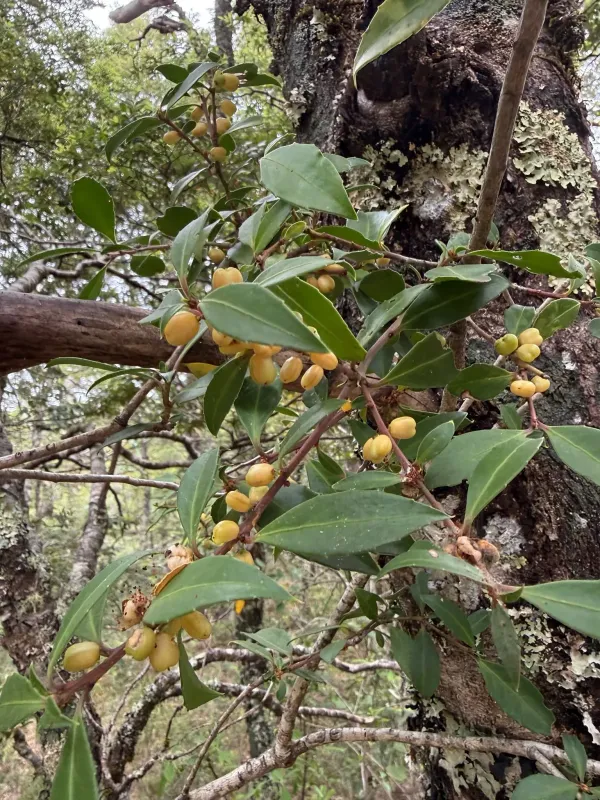
Description
Growing requirements
Maytenus magellanica is a species of evergreen shrub or small tree belonging to the family Celastraceae. It is native to the southern regions of South America, specifically Chile and Argentina, where it thrives in cool, moist, and temperate climates.
The plant is highly regarded for its glossy, leathery dark green leaves that provide year-round visual appeal. Its robust nature makes it suitable for ornamental use in coastal gardens and regions with cold winters, as it possesses significant frost tolerance.
For optimal growth, this plant requires deep, well-draining soil that is rich in organic matter. While it is adaptable to various soil types, it performs best in neutral to slightly acidic conditions and will suffer if roots remain waterlogged for extended periods.
The ideal planting site should offer partial shade or full sun, provided the environment is protected from harsh, desiccating winds. Young plants should be shielded from extreme frosts during their first few years to allow them to establish a strong root system.
Cultural practices include providing consistent moisture during the growing season and applying a layer of mulch to maintain soil temperature and humidity. Pruning is mainly performed to shape the plant and remove any winter-damaged wood in early spring.
Main diseases and pests
Maytenus magellanica is generally resistant to pests and diseases, but it remains susceptible to fungal issues under high humidity. Root rot is the most common condition caused by poor drainage and excessive irrigation.
Pests such as scale insects and spider mites may occasionally colonize the foliage. These insects sap energy from the plant and can cause discolouration if populations are left unchecked.
Effective management includes monitoring the health of the leaves and stems. Maintaining good airflow through the canopy by selective pruning helps reduce the micro-environment that fungi prefer for colonization.
Integrated pest management strategies are recommended, starting with mechanical removal or biological controls before resorting to chemical insecticides. Always apply products according to the label requirements.
Healthy plants with good root systems and adequate sunlight have a much higher natural resistance to both environmental stressors and biological threats. Maintaining soil health is the best first line of defense.