
Maytenus ilicifolia
Maytenus ilicifolia
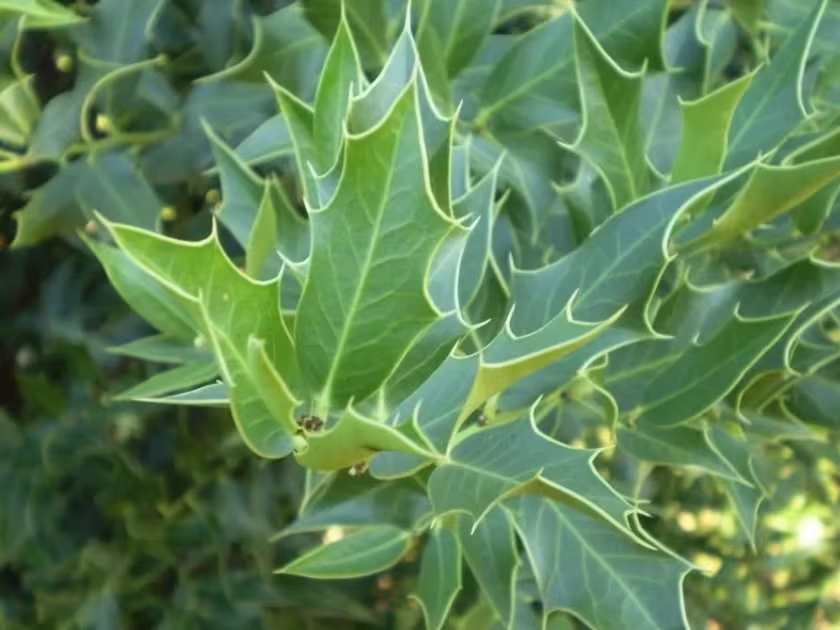
Description
Growing requirements
Maytenus ilicifolia is an evergreen shrub or small tree belonging to the Celastraceae family. It is native to South American regions, primarily found in Brazil, Argentina, and Paraguay, where it grows in diverse ecological niches.
The crop thrives in subtropical and temperate climates. It adapts well to partial shade but performs best in well-lit environments. Ideally, planting sites should be protected from harsh winds and severe frosts that can damage the foliage.
Successful cultivation requires well-drained, fertile soils with a neutral to slightly acidic pH level. The plant is sensitive to waterlogging at the root zone; therefore, proper field leveling and drainage management are essential for establishing healthy plantations.
Agronomic practices include regular but controlled irrigation, particularly during dry spells, and the application of organic fertilizers during the active growth season. Since Maytenus has a slow growth habit, long-term planning is required for commercial production.
The plant is highly valued in the pharmaceutical and cosmetic sectors. Its leaves contain significant concentrations of flavonoids and triterpenes, which are widely utilized in traditional medicine and modern phytotherapy to treat gastric conditions and ulcers.
Main diseases and pests
Fungal infections pose the primary threat to plantations, especially when humidity is high and airflow within the shrub canopy is restricted. Preventive measures involve regular pruning and canopy thinning to ensure adequate ventilation.
Pests like aphids and spider mites can cause significant damage to young shoots during hot and dry seasons. It is recommended to implement integrated pest management or apply targeted insecticides when pest populations exceed economic thresholds.
Root rot is a major risk factor usually triggered by over-irrigation or poor soil structure. Maintaining strict irrigation protocols and treating the soil medium before planting are critical steps in preventing pathogen colonization.
Bacterial leaf spot can manifest in environments with high humidity levels in both greenhouse and open-field settings. Copper-based fungicides and the removal of infected plant material are effective methods for managing this problem.
Nematodes can be a concern in lighter, sandy soils if the ground is not properly sanitized prior to planting. Monitoring the root system health and sourcing certified, pathogen-free nursery stock are vital for long-term plantation success.