
Maytenus aquifolium
Maytenus aquifolium
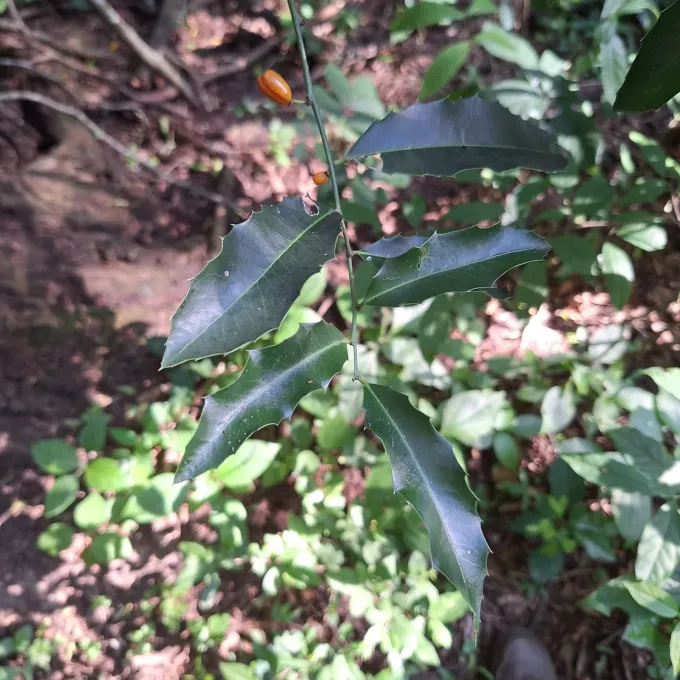
Description
Growing requirements
Maytenus aquifolium, commonly known as eschinha or holly-leaved mayten, is an evergreen shrub or tree belonging to the Celastraceae family. It is native to South America, particularly common in the forests of Brazil.
The plant requires fertile, well-draining soil with an slightly acidic to neutral pH level. Proper irrigation is crucial, as the root system is highly susceptible to rot if exposed to waterlogging for extended periods.
In terms of climate, it thrives in warm, stable tropical conditions. Temperatures should ideally remain between 20°C and 28°C. Being a shade-tolerant plant in its native habitat, it requires filtered light when cultivated in nurseries or greenhouses.
Agrotechnical practices involve regular fertilization with balanced organic or mineral compounds during the growing season. Maintaining high relative humidity is also beneficial for the health of the foliage.
The plant is highly valued for its leaves, which contain compounds like maytenin. It is widely used in South American traditional medicine as an effective aid for digestive disorders and gastric ulcers.
Main diseases and pests
Common pests affecting Maytenus aquifolium include spider mites, which thrive in low-humidity environments, leading to leaf discoloration and stunted growth.
Fungal pathogens such as Fusarium or Rhizoctonia species may infect the roots if soil moisture management is neglected, often resulting in sudden wilting.
Mealybugs are another common threat that can be found in the leaf axils, requiring manual removal or the application of specialized biological control agents.
Preventative measures include maintaining good airflow, proper spacing between plants, and keeping the foliage clean from accumulated dust and debris.
When chemical treatment is necessary, it is important to test the sensitivity of the leaves to specific pesticides, as some varieties may show phytotoxicity.