
Maytenus chubutensis
Maytenus chubutensis
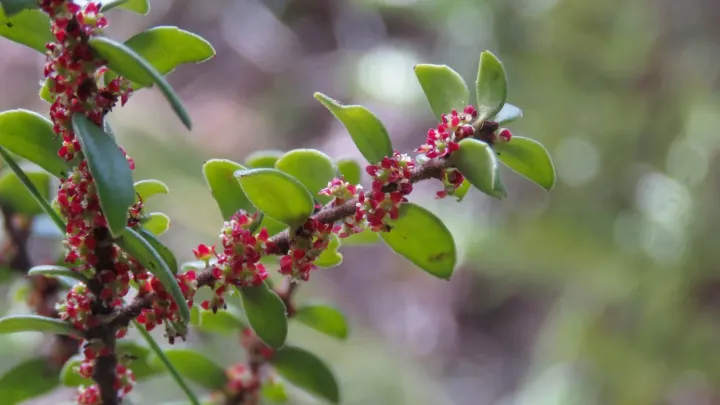
Description
Growing requirements
Maytenus chubutensis is a distinctive shrub species belonging to the Celastraceae family, native to the rugged terrains of the Chubut province in Patagonia. It is recognized for its significant resilience to cold, windy climates, which makes it a unique botanical subject for research and cultivation.
The botanical structure of this plant features evergreen or semi-deciduous foliage, allowing it to survive harsh winter conditions. Its growth habit is typically shrubby, with dense branching that provides excellent windbreaking properties in its natural alpine habitat.
Requirements for cultivation include well-drained, sandy or rocky soils with a neutral pH level. As a plant adapted to mountain ecosystems, Maytenus chubutensis strictly avoids waterlogged environments. Proper soil aeration is essential to prevent root rot and ensure the longevity of the shrubs.
When considering climate requirements, the plant thrives in areas with high light exposure and seasonal temperature variations. It is highly resistant to frost but benefits from moderate protection during the early stages of its development to ensure a robust root system establishment.
Agricultural practices for this culture are relatively low-maintenance, focusing on minimal irrigation during dry seasons and cautious fertilization. Because the growth rate of this species is naturally slow, it does not require intensive pruning or aggressive management of competing weeds.
Harvesting
The economic and research interest in Maytenus chubutensis primarily centers on the chemical composition of its tissues. Medicinal and industrial potential drives the careful harvest of leaves and bark from sustainable, managed wild populations or experimental plots.
Harvesting is typically conducted using selective pruning techniques to maintain the health and long-term viability of the plants. Post-harvest, the material must be dried using temperature-controlled methods to preserve the integrity of the bioactive compounds found within the plant.