
Maytenus umbellata
Maytenus umbellata
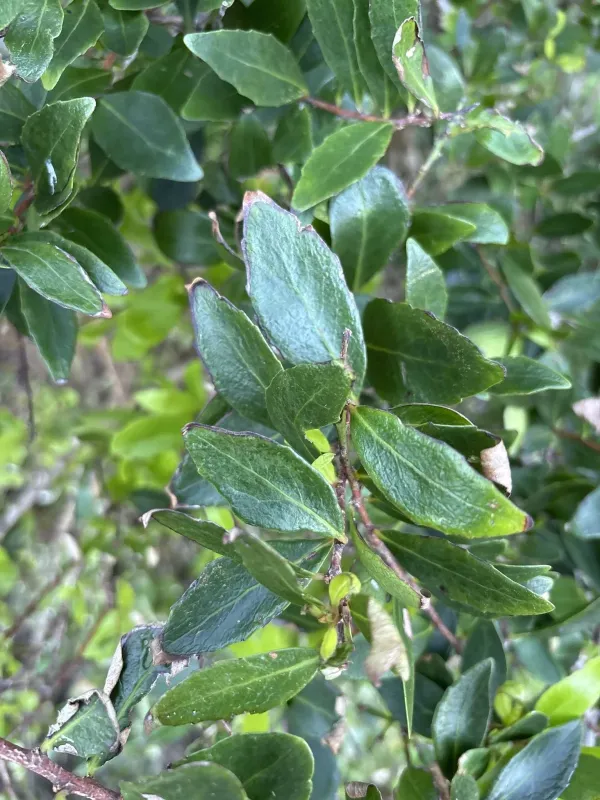
Description
Growing requirements
Maytenus umbellata is an evergreen plant species belonging to the Celastraceae family. It is known for its dense foliage and unique umbel-like inflorescences, making it a plant of interest for botanical collections and specialized gardens.
The plant thrives in well-draining, nutrient-rich soils. It prefers a slightly acidic to neutral substrate, which supports robust root development and efficient nutrient uptake throughout the growing season.
Climatic requirements focus on steady, warm temperatures. Maytenus umbellata is sensitive to frost, necessitating controlled environments such as greenhouses in temperate zones to prevent structural damage to its branches.
Light intensity is a critical factor for healthy growth; while it can tolerate partial shade, bright, indirect light is preferred for maintaining the vibrant green color of its evergreen leaves.
Watering needs to be balanced, allowing the surface soil to dry out between sessions. Over-irrigation is detrimental, as the species is prone to root health issues when subjected to waterlogged conditions for extended periods.
Main diseases and pests
Spider mites are the most common pest for Maytenus umbellata, especially when the plant is kept in indoor environments with low humidity levels. These pests cause yellowing and curling of the leaves.
Scale insects can attach themselves to the stems and leaves, extracting plant sap and weakening the overall vitality of the specimen if not managed early through manual removal or soaps.
Root rot is the primary threat arising from poor horticultural practices, specifically excessive moisture in the root zone. Ensuring excellent drainage is the best preventive strategy against these pathogens.
Powdery mildew may develop if the canopy density is too high and air circulation is insufficient, leading to trapped humidity which favors fungal growth on leaf surfaces.
Integrated pest management, including regular inspection and maintaining optimal environmental parameters, remains the gold standard for protecting the health of this agricultural plant.