
Maytenus peduncularis
Maytenus peduncularis
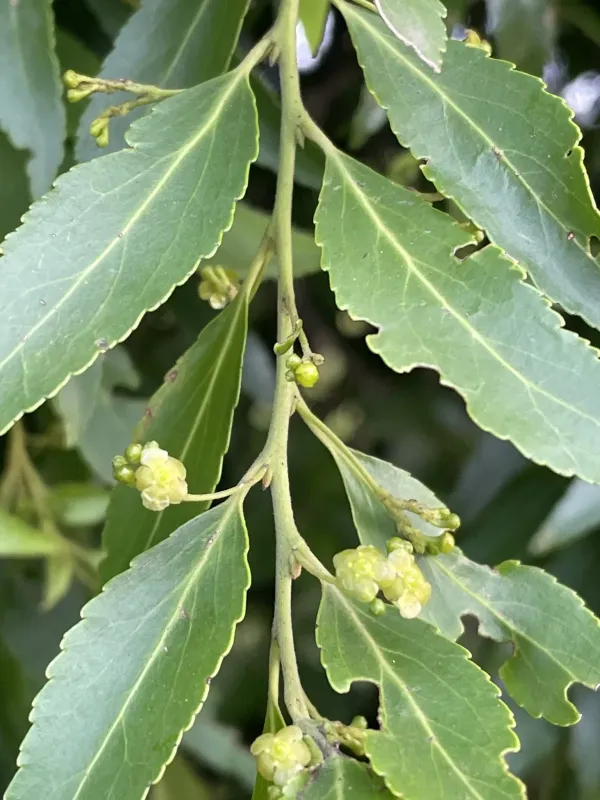
Description
Growing requirements
Maytenus peduncularis is a notable evergreen species belonging to the Celastraceae family. It is characterized by its compact, dense foliage and a growth habit that often manifests as a small tree or a robust, spreading shrub, depending on environmental factors.
The plant is native to the southern regions of Africa, specifically inhabiting forest margins and thickets. Its natural range indicates an evolutionary adaptation to environments that are generally mild, humid, and free from prolonged, harsh winter freezing conditions.
Cultivation of this species requires well-draining, nutrient-rich soils to maintain healthy physiological processes. Heavy, waterlogged clay soils should be avoided, as the root system is susceptible to decay if the drainage conditions are not adequately managed.
Regarding climatic requirements, the plant thrives in conditions with consistent moisture and protection from severe wind exposure. While it exhibits tolerance for various levels of sunlight, providing light shade during the establishment phase often improves the initial growth rate.
The primary horticultural application for Maytenus peduncularis is landscape design, where it serves as a valuable evergreen element for screening or ornamental planting. Its aesthetic appeal is complemented by the structural integrity of its branches and persistent, attractive foliage.