
Maytenus orbicularis
Maytenus orbicularis
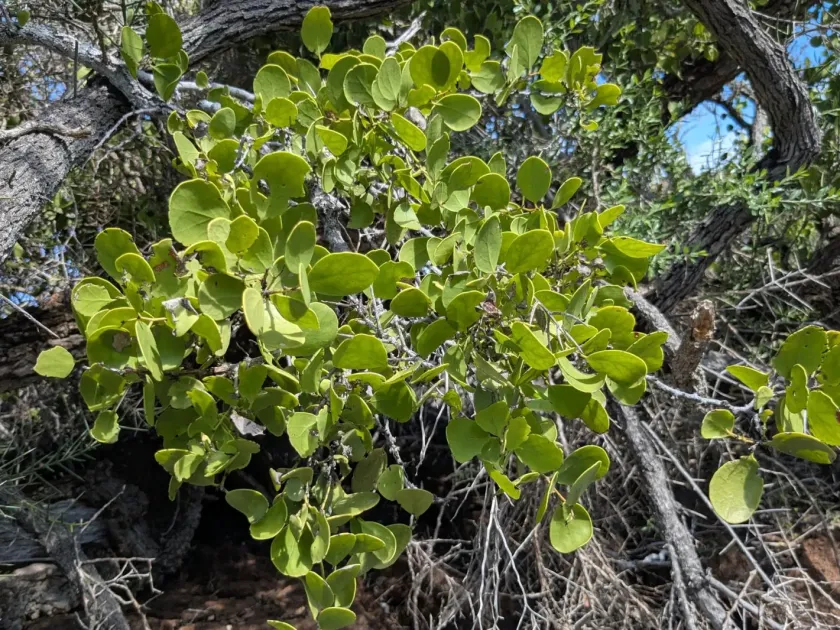
Description
Growing requirements
Maytenus orbicularis is a perennial evergreen shrub or small tree belonging to the Celastraceae family. It is native to specific South American ecosystems, where it thrives in varied light and moisture conditions within its natural distribution range.
This crop requires well-drained, sandy loam soils to flourish. It is highly adapted to soils with low organic content, provided that the moisture drainage is sufficient to prevent the accumulation of water, which is critical for root health in this species.
Regarding climate, the plant prefers warm environments and is sensitive to frost. In regions with temperate climates, it is typically cultivated in greenhouses or controlled environments where temperatures remain above the freezing point throughout the year.
The agrotechnical management of Maytenus orbicularis involves precise water regulation. Irrigation should be applied only when the top layer of the soil has dried out to minimize the risk of opportunistic pathogens infecting the root zone.
The economic value of this species is primarily derived from its leaves, which contain compounds studied for their medicinal properties. Proper cultivation practices aimed at maximizing leaf biomass are essential for productive commercial use.
Main diseases and pests
The primary threats to Maytenus orbicularis are fungal diseases, such as root rot and leaf spot, which occur under conditions of poor air circulation and excessive substrate moisture. Maintaining a dry, well-ventilated environment is key to disease prevention.
Pests that commonly impact this crop include spider mites, particularly in environments with low air humidity, and mealybugs. These pests can rapidly proliferate on young leaves and stems, leading to stunted growth and leaf drop.
Cultural control measures involve systematic pruning of infected or dying plant tissue. This practice not only improves the overall health of the plant but also facilitates better light penetration and airflow, reducing the humidity around the foliage.
Integrated pest management (IPM) is strongly recommended for commercial production. Utilizing biological control agents or targeted, low-toxicity treatments ensures that the plant material remains suitable for subsequent pharmaceutical processing.
Regular scouting for pest populations is a mandatory agricultural practice. Early detection allows for localized treatments, significantly reducing the need for broad-spectrum chemical applications and preserving the integrity of the plant's active compounds.