
Marsh gentian
Gentiana pneumonanthe L.
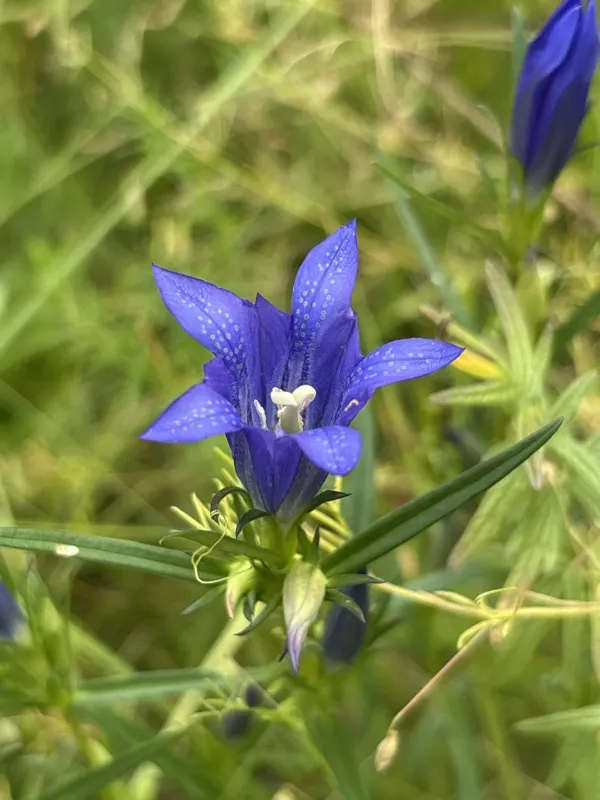
Description
Sowing dates
Marsh gentian seeds are typically sown in autumn or early winter in the open field, as they require cold stratification to break dormancy. Spring sowing requires pre-chilling the seeds at approximately 4 degrees Celsius for at least two months to ensure successful germination.
The seeds are exceptionally small and should be sown on the surface of a prepared seedbed without burying them. They require exposure to light to trigger germination, making shallow placement or pressing them into the moist soil essential.
Seedlings grow slowly during the first year, requiring high attention to soil moisture and protection from harsh environmental elements. It is recommended to keep the seedbed uniformly damp but not waterlogged to prevent the delicate root system from desiccating.
Transplanting into the final growing site should only occur once the plant has established a robust root system, usually after one or two full growing seasons. Proper spacing of 25–30 cm helps manage long-term growth and nutrient access.
Belonging to the Gentianaceae family, this perennial herb exhibits a specialized growth pattern that necessitates patience from growers throughout the propagation and development stages.
Growing requirements
Marsh gentian requires specific environmental conditions, thriving best in moist, well-draining, and acidic or neutral soils. It is naturally found in peatlands and damp meadows where moisture levels remain consistent throughout the year.
Adequate soil aeration is critical; although the plant loves moisture, stagnant water around the roots will inevitably lead to rot. Adding organic matter like peat or humus to the soil improves texture and supports its specific nutritional needs.
The plant prefers full sun to partial shade, though in warmer climates, protection from the direct afternoon sun is vital to prevent leaf scorching. Consistent exposure to light is necessary to maintain the plant's structural integrity and vibrant flowering cycle.
Agronomic management includes gentle weeding to protect the shallow root zone, as deep cultivation can cause significant damage. Mulching with organic material helps maintain soil moisture and protects the roots from extreme temperature fluctuations.
Fertilization should be handled with caution, as high levels of nitrogen can reduce the quality of the plant's medicinal compounds. Slow-release organic fertilizers or mild mineral nutrient applications are generally preferred.
Yield
In a commercial or therapeutic context, marsh gentian is primarily valued for its roots, which are harvested to produce medicinal bitters and herbal extracts. Production is highly regulated due to the species' conservation status in many countries.
Yield potential is modest due to the plant's slow maturation; harvesting of root material typically takes 3 to 4 years from planting. This long cycle requires efficient planning and site management to ensure a sustainable supply of high-quality botanical material.
The medicinal efficacy depends on the drying process of the roots, which must be performed under controlled temperature settings to preserve the glycosides and alkaloids. Proper post-harvest handling is as critical as the cultivation itself for market value.
When used for ornamental or botanical purposes, yield is evaluated by the plant's ability to produce prolific, trumpet-shaped deep blue flowers. A healthy specimen will typically produce multiple stems each year if the environment is optimized.
Economic viability relies on professional cultivation methods, as wild harvesting is largely prohibited. Quality assurance in nurseries is key to sustaining the species for both pharmaceutical and conservation efforts.
Main diseases and pests
The primary threats to marsh gentian include fungal pathogens such as leaf spot and various root rots. These are often triggered by excessive humidity levels or poor air circulation within the planting site.
Slugs and snails are the most common pests, particularly affecting young plants during the early stages of development. Regular monitoring and physical barriers are often more effective than chemical treatments for this sensitive species.
Aphids can occasionally colonize the flower buds and young shoots during dry spells. If intervention is necessary, the use of insecticidal soaps or neem oil is recommended to keep the harvest safe for subsequent medicinal use.
Root rot, driven by waterlogged soil, remains the single greatest cause of plant loss. Maintaining the correct moisture balance through proper drainage systems is the most important prophylactic measure an agronomist can take.
- Maintain adequate spacing to allow for airflow.
- Implement proactive drainage solutions before planting.
- Use integrated pest management to avoid harsh synthetic chemicals.