
Manoao
Manoao
Manoao (Manoao colensoi) is a unique species of coniferous tree belonging to the family Podocarpaceae. This plant is endemic to New Zealand, primarily found in the temperate rainforests of the North and South Islands.
What the section contains

Manoao
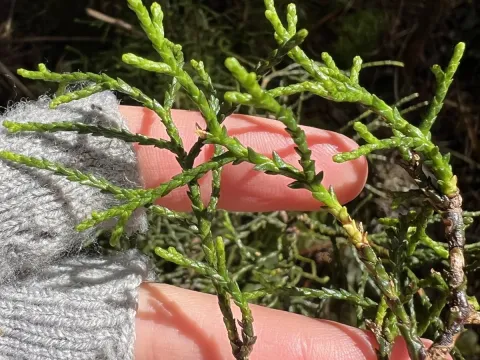
Botanically, Manoao is known for its slow growth rate, a trait common among many podocarps. It typically develops into a tree reaching heights of 15 to 20 meters, with distinct needle-like foliage that often changes shape as the tree matures from a juvenile to an adult state.
The plant requires a humid, temperate climate with minimal seasonal temperature extremes to thrive. It prefers deep, well-drained, fertile soils rich in organic matter, which are characteristic of its native forest environment.
Young Manoao specimens are notably shade-tolerant, allowing them to establish themselves beneath the canopy of larger forest trees. As they grow, they require adequate light exposure to maintain healthy foliage and robust annual growth patterns.
Historically, the wood of Manoao was highly prized for its durability and structural strength. In contemporary forestry, the species is recognized for its ecological importance and is occasionally grown in botanical gardens or specialized nursery settings for conservation purposes.
The primary threats to Manoao populations are habitat fragmentation and degradation caused by human activity. Protecting these trees involves strictly managing their native forest ecosystems to prevent further decline.
Fungal diseases affecting the root system pose a significant threat, particularly in poorly drained or waterlogged soils. Ensuring proper soil aeration and drainage is essential for maintaining the health of individual trees.
Pests and insects that target conifers can impact the development of young growth. While mature trees are generally resilient, younger plants often require monitoring to prevent heavy damage from local defoliating insects.
Invasive plant species are a major competitor, often outcompeting Manoao seedlings for space, nutrients, and sunlight within the forest floor. Managing these invasive species is critical for ensuring natural regeneration.
Disease management strategies for Manoao focus on prevention through site selection and soil quality maintenance. Continuous monitoring by forestry professionals helps identify health issues early to preserve the longevity of this rare species.