
Mallotus rhamnifolius
Mallotus rhamnifolius
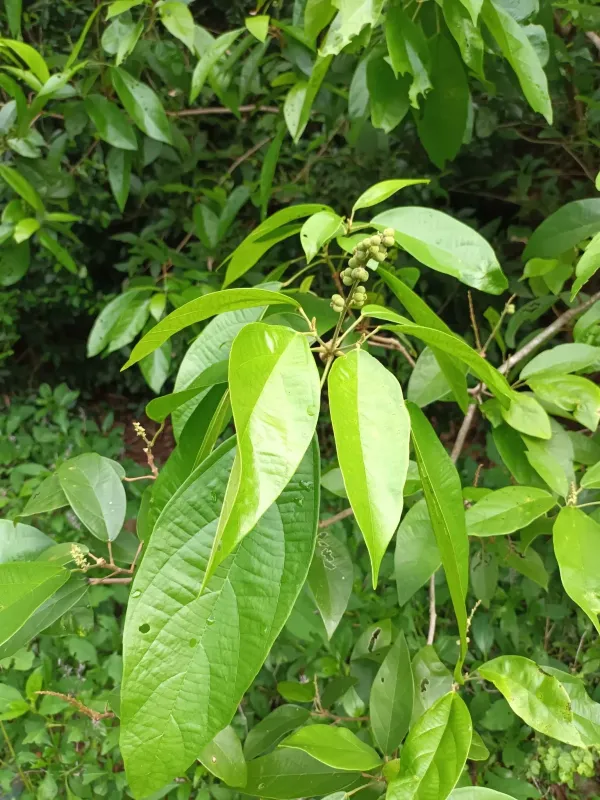
Description
Growing requirements
Mallotus rhamnifolius is a distinct species belonging to the Euphorbiaceae family. Primarily native to the tropical regions of Southeast Asia, this woody plant occupies an important niche in local ecosystems and has potential for various agricultural applications.
The climate requirements for this plant are centered on consistent tropical warmth. It thrives in environments where temperatures do not drop below 20 degrees Celsius, as the plant is highly sensitive to cold stress and frost, which can cause significant tissue damage.
Regarding soil, Mallotus rhamnifolius performs best in deep, well-drained loamy soils that are rich in organic matter. While it prefers moist conditions, soil aeration is crucial; compacted soils often lead to poor root development and plant decline.
Water management is a key aspect of cultivation. During the active growth phase, the plant requires regular irrigation to maintain high transpiration rates. However, farmers must ensure that no water stagnation occurs, as this is a common cause of root rot.
Cultivation should also consider the plant's light requirements. While it can survive in partial shade, optimal growth and biomass production are typically observed when the plant receives filtered, bright sunlight, especially as it matures.
Main diseases and pests
Fungal diseases are the primary threats to Mallotus rhamnifolius, particularly under high-humidity conditions. Pathogens such as powdery mildew and various leaf spot fungi can quickly compromise the plant's health if left unmanaged.
In terms of pests, sucking insects like spider mites and scale insects are frequently encountered. These pests feed on the sap of the plant, often leading to chlorosis, stunted growth, and an overall reduction in vigor.
Management of these threats involves a combination of cultural practices and chemical interventions. Pruning for better airflow is an essential step, as it creates an environment less conducive to fungal spore germination.
Farmers should implement a systematic scouting program to detect pests early. Early detection allows for spot treatments with targeted insecticides or horticultural oils, which is far more efficient than broad-spectrum control.
Maintaining soil health and balanced nutrition is also a form of pest management, as healthy, resilient plants are naturally better equipped to withstand and recover from minor infestations and disease pressures.