
Mallotus resinosus
Mallotus resinosus
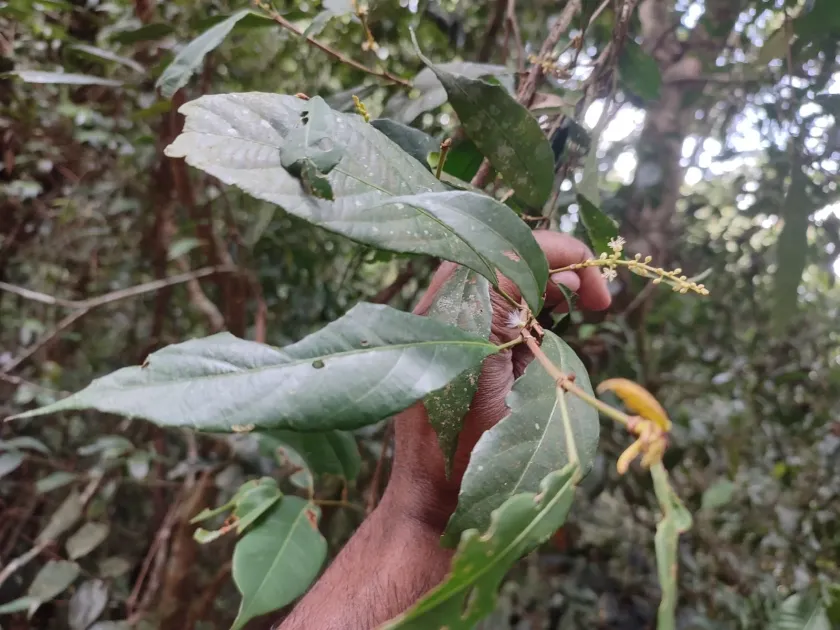
Description
Growing requirements
Mallotus resinosus is a distinctive evergreen woody plant belonging to the Euphorbiaceae family. Native to the tropical regions of Southeast Asia, it is well-adapted to the high-humidity environments of local forest ecosystems, where it contributes to biodiversity and soil stabilization.
The plant requires a tropical climate characterized by high temperatures and consistent rainfall throughout the year. It performs best in well-drained, fertile soils that are rich in organic matter. Waterlogged conditions must be strictly avoided to prevent root damage, as the species is sensitive to poor drainage.
Botanically, Mallotus resinosus is recognized by its resin-secreting glands located on its foliage, which provide natural protection against herbivores and external environmental stressors. The plant develops a dense canopy, requiring sufficient spacing between individuals to ensure optimal light penetration and airflow.
Cultivation practices involve site preparation that includes clearing competing vegetation and ensuring the soil has an appropriate pH balance. During the establishment phase, young plants require careful monitoring and moderate shade to protect them from excessive direct solar radiation.
The economic utility of this crop spans from sustainable timber production to the potential harvest of resinous compounds. These substances have historically been valued in regional craft industries, and current research explores their chemical potential for bio-based materials and traditional medicinal applications.
Main diseases and pests
Common threats to the health of the plant include leaf-eating insects that can cause significant defoliation during the peak growing season. Integrated pest management, focusing on biological controls and regular field scouting, is essential to maintain the productivity of these plantations.
Fungal diseases are a persistent risk, especially when trees are planted in areas with poor ventilation or stagnant water. Implementing proper silvicultural practices, such as strategic pruning and maintaining appropriate planting density, is the primary method to minimize these threats.