
Japanese mallotus
Mallotus japonicus
Description
Growing requirements
Japanese mallotus (Mallotus japonicus) is a deciduous tree or shrub belonging to the Euphorbiaceae family. It is native to East Asia, primarily found in Japan, Korea, and China, where it serves as a prominent component of local forest ecosystems.
The plant thrives in well-drained, fertile soils that provide sufficient organic matter for root development. While it adapts to a wide range of soil types, it performs best in loamy substrates where water retention and air circulation are balanced.
Climatic requirements are focused on mild to moderate temperature zones with adequate rainfall. It is susceptible to harsh frost during its juvenile stage, necessitating protection or planting in sheltered areas with favorable microclimates.
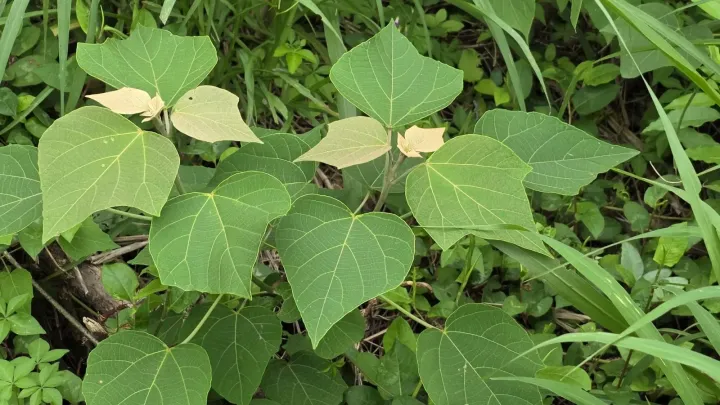
Botanically, it is recognized by its heart-shaped leaves and glandular appendages. The tree exhibits rapid growth rates, making it a valuable species for reforestation projects and sustainable land management in its native Asian habitat.
Economic applications are diverse, ranging from traditional medical use to the extraction of oils from its seeds. Furthermore, it plays a vital role as a honey plant, supporting local biodiversity and contributing to the stability of woodland edges.
Main diseases and pests
The primary threats to Mallotus japonicus involve root diseases caused by pathogenic fungi in waterlogged environments. To mitigate these risks, agricultural management must ensure high-quality drainage systems to prevent oxygen starvation in the root zone.
Pest management focuses on controlling leaf-eating insects and mites that may target the foliage during warm, dry weather. Sustainable practices, including periodic inspection and natural pest control methods, are recommended to maintain plant health.