
Mallotus nudiflorus
Mallotus nudiflorus
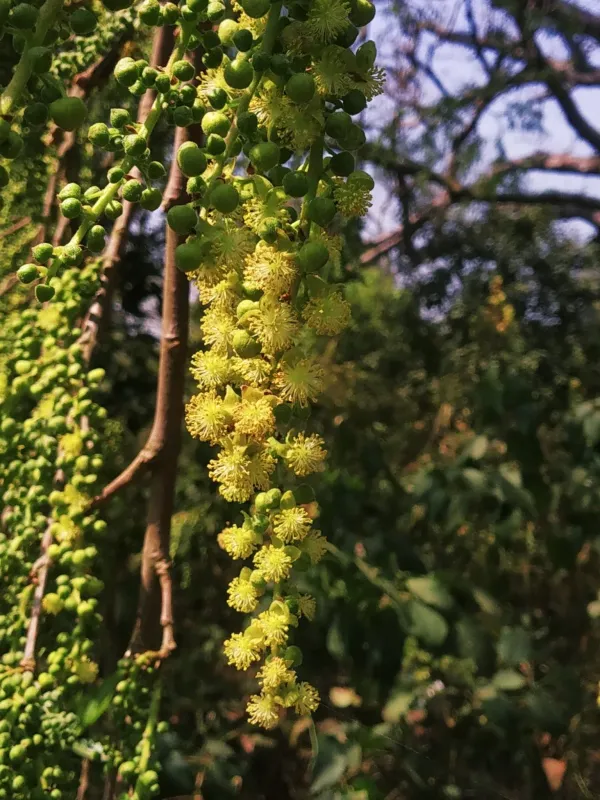
Description
Growing requirements
Mallotus nudiflorus is a deciduous tree species belonging to the Euphorbiaceae family. It is native to tropical and subtropical regions of Asia, where it typically thrives in riparian habitats and moist tropical forests.
The species requires a warm, humid climate for optimal physiological development. It is best suited to deep, fertile, and well-drained soils, showing a preference for alluvial grounds that provide consistent moisture throughout the growing season.
Botanically, it is recognized for its rapid growth rate and morphological features such as simple, alternate leaves. It plays a significant role in local ecosystems by providing structural diversity and biomass in forested areas.
Regarding its utility, the wood is utilized in carpentry and for crafting various agricultural tools. The tree is also valued for its phytochemical properties, with various parts being traditionally used in Asian herbal medicine.
Cultivation practices involve providing sufficient water during the early establishment phase and monitoring soil pH to ensure nutrient availability. Proper spacing is essential to minimize competition for sunlight and resources among individual trees.
Main diseases and pests
Fungal leaf spot diseases represent a significant threat to the health of Mallotus nudiflorus, especially in areas with high humidity. Proper management includes removing fallen debris to reduce the inoculum load.
Defoliating caterpillars are the primary insect pests, capable of causing extensive damage to young foliage. Integrated pest management strategies, including the use of pheromone traps, are recommended.
Root rot caused by stagnant water is a serious concern, emphasizing the importance of site selection and soil drainage improvements. Plantations should be monitored for signs of stunted growth or yellowing.
Scale insects can occasionally infest the stems and branches, leading to a general decline in tree vigor. Targeted applications of horticultural oils can effectively manage these populations.
Preventative measures should focus on maintaining tree health through balanced nutrition and avoiding stress factors like water deficit, which makes the tree more susceptible to opportunistic pathogens.