
Mallotus barbatus
Mallotus barbatus
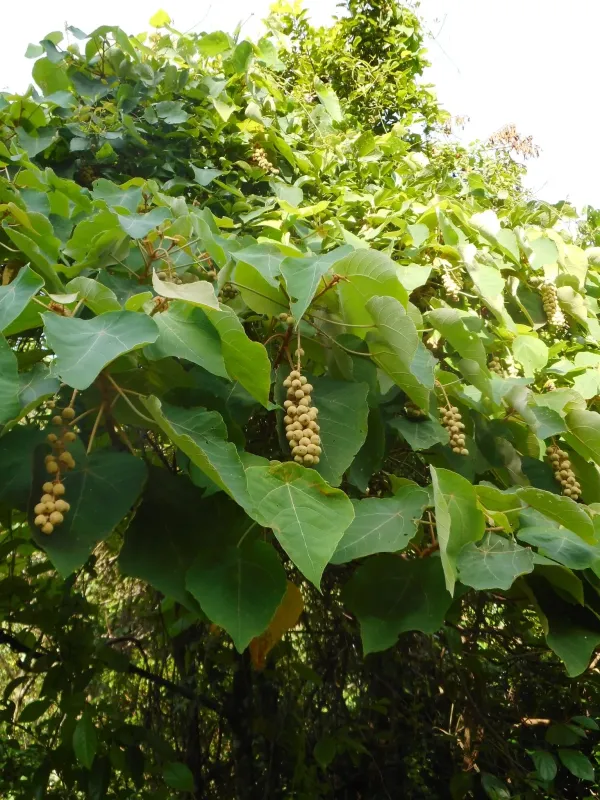
Description
Growing requirements
Mallotus barbatus is a distinct species belonging to the Euphorbiaceae family, commonly found in the tropical landscapes of Southeast Asia. This plant typically grows as a robust shrub or a small-sized tree, favoring moist, warm environments characteristic of its native habitat.
Successful cultivation of this species requires a climate with consistent high temperatures and significant annual rainfall. It is not cold-hardy, and frost can cause severe damage or death to the plant, making it unsuitable for temperate agricultural zones without controlled conditions.
Regarding soil requirements, Mallotus barbatus thrives in loose, nutrient-rich soils that possess excellent drainage properties. While it can adapt to various soil types, maintaining soil structure is vital to ensure proper root development and prevent the stagnation of excess water.
Botanically, the species is recognized by its broad, cordate leaves, which feature a distinct pubescence. This anatomical trait provides a unique texture and serves as an evolutionary adaptation to the plant's native ecological niche within forest understories or margins.
Economically, this plant is primarily valued for its traditional applications. Research indicates that various parts of the plant, including leaves and bark, contain bioactive compounds, which are explored for their potential utility in pharmacological and industrial processes.
Main diseases and pests
One of the primary threats to Mallotus barbatus plantations is root rot, frequently caused by improper water management in poorly drained soils. Fungal pathogens are highly opportunistic and can compromise the plant's structural integrity if moisture remains trapped around the root system.
Pest management is another critical aspect of cultivation, as the plant is susceptible to attacks from various leaf-eating caterpillars and sap-sucking insects. These pests can rapidly affect the plant's health, leading to decreased biomass production and aesthetic decline.
To maintain plant health, it is essential to implement an integrated pest management strategy. This involves regular monitoring of leaf health and the use of eco-friendly biological control methods during the initial stages of pest outbreaks to avoid severe damage.
Disease prevention often focuses on cultural practices such as ensuring optimal plant spacing. Adequate space between individual shrubs encourages airflow, which naturally reduces the likelihood of leaf fungal infections such as powdery mildew, especially in high-humidity areas.
Sustainable agricultural practices, such as balanced fertilization and proper field hygiene, play a key role in reducing stress on the plants. A stress-free plant is more resistant to environmental pressures and secondary infections that might otherwise thrive in crowded conditions.