
Mallotus oppositifolius
Mallotus oppositifolius
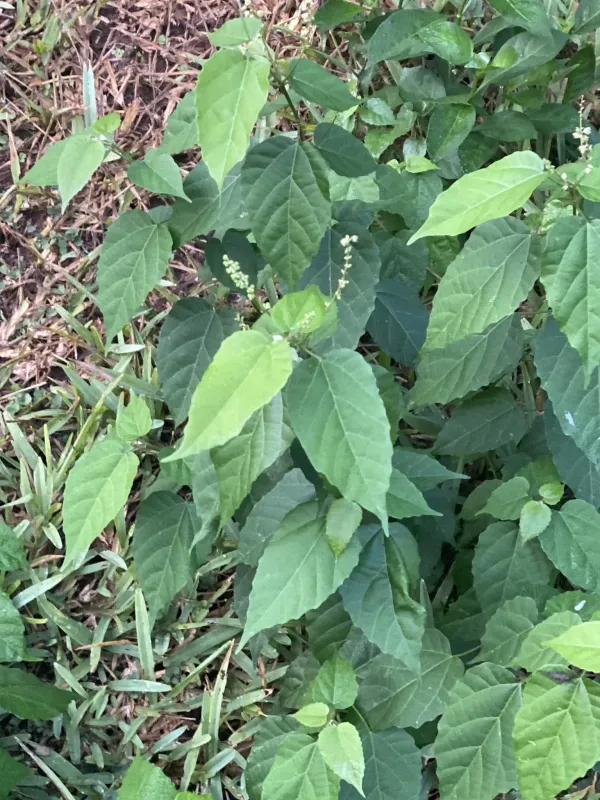
Description
Growing requirements
Mallotus oppositifolius is a shrub or small tree belonging to the Euphorbiaceae family. It is widely recognized for its ecological adaptability within its native range across tropical Africa.
This species naturally thrives in diverse habitats including forest edges, secondary forests, and coastal thickets. Its ability to colonize disturbed areas makes it a resilient candidate for local agroforestry practices.
Optimal growth conditions involve high-temperature climates and consistent rainfall patterns. The plant prefers deep, well-drained loamy soils but can tolerate a range of soil textures provided that moisture levels are sufficient.
Botanically, the plant is characterized by its opposite leaf arrangement and small, inconspicuous flowers. It is often cultivated as a hedge plant because it responds well to pruning and forms dense, protective boundaries.
In terms of usage, the plant is highly valued for its medicinal properties. Extractives from the leaves and bark are traditionally used in various therapeutic preparations due to the presence of secondary metabolites.
Main diseases and pests
Fungal leaf spot diseases are among the most common threats to Mallotus oppositifolius, especially during prolonged rainy seasons where moisture lingers on the foliage.
Insects like scale insects and aphids may occasionally infest the plant. These pests feed on the sap, potentially weakening the plant if not managed through proper care and monitoring.
Poor soil drainage poses a significant risk to the root system, potentially leading to root rot, which is a common physiological problem in poorly managed cultivation sites.
Integrated Pest Management (IPM) strategies are recommended to maintain plant health, focusing on biological controls and appropriate spacing to ensure adequate airflow.
Regular sanitation of the growing area, including the removal of dead or decaying biomass, is crucial to prevent the accumulation of pathogens that could compromise the crop yield.