
Macaranga velutina
Macaranga velutina
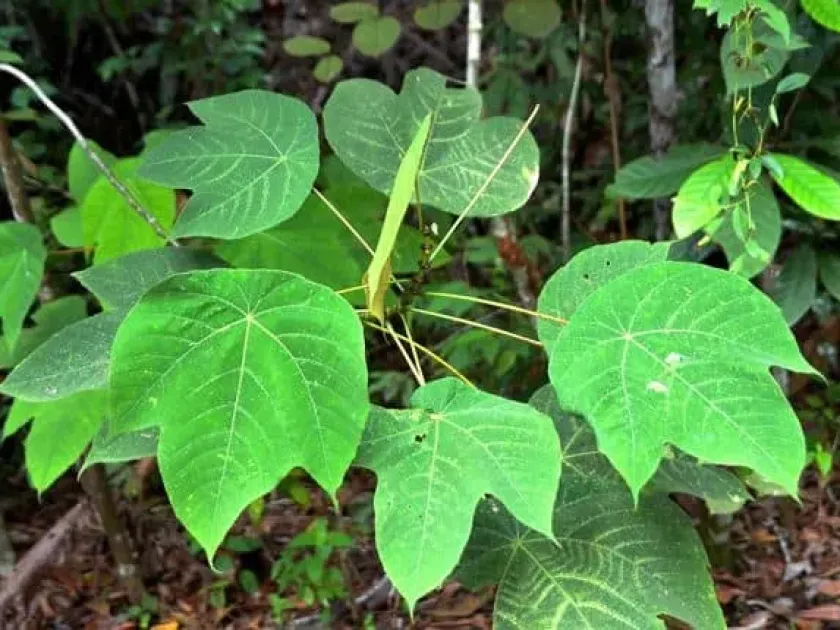
Description
Growing requirements
Macaranga velutina is a tree species belonging to the Euphorbiaceae family. It is a well-known pioneer species native to the tropical regions of Southeast Asia, characterized by its rapid growth and ability to thrive in disturbed forest habitats.
The plant requires a stable, warm tropical climate to thrive. Optimal temperatures range between 22 and 30 degrees Celsius. It does not tolerate frost or prolonged periods of cold, which significantly hinder its metabolic processes and growth rate.
Soil requirements involve well-drained, nutrient-rich substrates with a neutral or slightly acidic pH level. Proper drainage is essential, as waterlogging is highly detrimental to the root system and can lead to rapid decay.
Exposure to light is a critical factor in the development of Macaranga velutina. While young trees can withstand partial shade, mature specimens require high levels of indirect sunlight to sustain rapid wood production.
Agricultural management requires careful moisture control. Keeping atmospheric humidity high is beneficial, simulating the natural forest floor environment where this species excels.
Yield
The primary economic value of Macaranga velutina lies in its rapid biomass accumulation. The species is highly regarded for its potential as a fast-growing source of timber for local manufacturing industries.
Its leaves, which feature a distinct velvety texture, are used in traditional practices and as natural organic mulch. The species is a key component in local sustainable forestry and land rehabilitation projects.
Yield is measured by the annual increase in wood volume per hectare. With proper spacing and nutrient management, these trees can achieve commercially viable harvest cycles in shorter timeframes than many hardwoods.
Research into the cellulose content of the wood makes this species a candidate for pulp production. Improving management techniques contributes to higher productivity per unit of land.
Continuous harvesting and replanting cycles ensure a sustainable supply of wood products, making it a valuable asset in tropical agricultural ecosystems.
Main diseases and pests
Typical pests include spider mites and aphids, which often target the tender tissues of young leaves. Regular scouting and the application of integrated pest management (IPM) strategies are essential to maintain plantation health.
Fungal pathogens such as leaf spot diseases can emerge if plantation density is too high, preventing proper air circulation. Using effective fungicides helps mitigate these issues during the rainy season.
Root rots are the most serious threat, usually associated with inadequate soil drainage or over-irrigation. Prevention through site preparation and drainage infrastructure is vital for tree longevity.
Insects may serve as vectors for viral diseases, necessitating strict control of pest populations. Early detection and the removal of infected plant parts are critical for preventing outbreaks.
Overall plantation management, including thinning and pruning, is necessary to ensure adequate ventilation and to lower the humidity around the lower canopy to discourage fungal growth.