
Macaranga barteri
Macaranga barteri
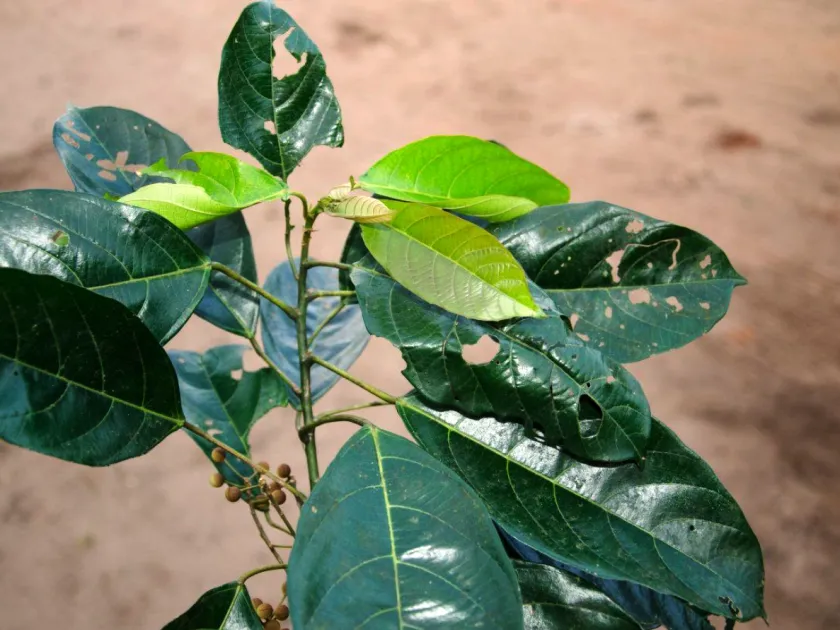
Description
Growing requirements
Macaranga barteri is a fast-growing tree belonging to the Euphorbiaceae family, native to the tropical regions of West and Central Africa. It acts as a pioneer species in secondary forests, colonizing areas where the natural canopy has been cleared.
This crop thrives in hot and humid tropical climates with consistent rainfall throughout the year. It is highly photophilous, meaning it requires abundant sunlight to maintain its rapid growth rate and reach its full structural potential.
Regarding soil, the species prefers well-drained, nutrient-rich substrates, though it displays a remarkable ability to survive in poorer soils, contributing to soil recovery. Adequate drainage is crucial as the species does not tolerate waterlogged conditions.
Botanically, it is characterized by its large, distinctive leaves and hollow stems. It maintains a fascinating symbiotic relationship with specific ant species that inhabit its stems, offering the plant protection from herbivores and climbers.
Its primary agricultural and economic uses are rooted in land restoration and local construction. The wood is lightweight and widely used for traditional structures, light framing, and potentially for pulp production in the paper industry.
Main diseases and pests
The primary threats to Macaranga barteri include various fungal diseases that flourish in high-humidity tropical environments. Leaf spots and mildew can affect nursery seedlings, significantly reducing their initial growth vigor.
Pests such as stem-boring beetles can pose a risk to the tree, especially if the internal ant colonies are absent or disturbed. Maintaining healthy symbiotic ant populations is a key factor in natural pest management for this crop.
Root rot is considered a critical physiological threat, particularly in poorly drained nursery soils or low-lying planting sites. This disease can cause rapid decline and mortality in younger trees if not managed proactively.
Management of these threats involves careful site selection and ensuring appropriate tree spacing to allow for adequate ventilation and light penetration. Reducing humidity within the canopy is effective in curbing fungal pathogen outbreaks.
Biological monitoring is recommended as the first line of defense. By fostering a biodiverse environment, farmers can ensure that the natural balance between the plant and its symbiotic partners remains intact, reducing the need for chemical intervention.