
Macaranga amissa
Macaranga amissa
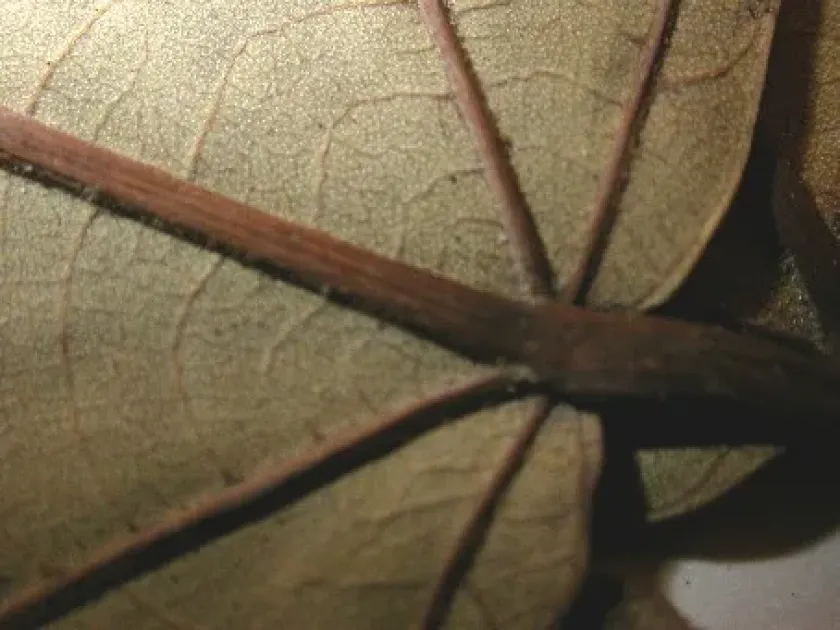
Description
Growing requirements
Macaranga amissa is a significant member of the Euphorbiaceae family, widely recognized for its ecological role as a pioneer species in tropical forest successions. This tree demonstrates a remarkably rapid growth rate, making it an essential component for reforestation projects in humid tropical areas.
The climate requirements for this species are centered on warm, humid environments where temperatures do not drop below tropical standards. Consistent moisture and high annual rainfall levels are mandatory to maintain the plant's metabolic activity and structural development during its primary growth cycles.
In terms of soil, Macaranga amissa thrives in well-drained, nutrient-rich substrates that allow for effective root penetration. While it is adaptable to various conditions, it shows the best growth performance in soils with high organic matter content, particularly in regions previously occupied by natural forests.
Cultivation practices involve selecting high-quality seedlings and ensuring adequate sunlight exposure, as the species is intolerant to shade in its juvenile stages. Proper spatial management and weeding during the initial development phase are critical for minimizing competition and maximizing canopy expansion.
The economic utility of Macaranga amissa primarily lies in its contribution to agroforestry and sustainable timber production. Due to the light and porous nature of its wood, it is frequently utilized for secondary manufacturing purposes, as well as being a vital species for rapid land rehabilitation.