
Macaranga aleuritoides
Macaranga aleuritoides
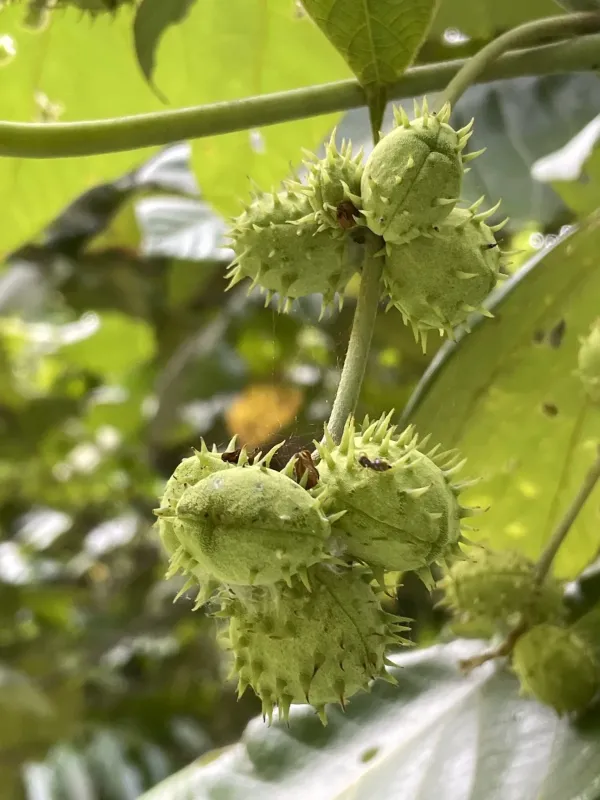
Description
Growing requirements
Macaranga aleuritoides belongs to the Euphorbiaceae family and is known for its remarkable ability to function as a pioneer species in tropical environments. It typically inhabits cleared or disturbed lands where it establishes itself rapidly due to high physiological efficiency.
The climate requirements include high, consistent temperatures and heavy annual rainfall, characteristic of humid tropical zones. The tree is an obligate heliophyte, meaning it requires full sun exposure to reach its maximum growth potential and biomass accumulation.
Regarding soil preferences, this species thrives in well-drained, nutrient-rich substrates. While it shows some tolerance to different soil types, the ideal condition involves aerated, friable soil that prevents waterlogging and supports a dense root network.
The botanical structure of the tree is defined by its heart-shaped foliage and rapid wood formation, which allow it to compete effectively in its ecological niche. Its development cycle is optimized for fast growth, making it a key component of secondary forests.
In economic terms, this species is valuable for biomass production and forest restoration projects. It provides a quick turnaround in wood production, making it a sustainable choice for tropical silviculture and carbon sequestration efforts.
Main diseases and pests
Pests such as lepidopteran larvae often feed on the foliage of Macaranga aleuritoides, posing a threat to young plantations. If left unmanaged, defoliation can severely stunt the growth and overall health of the trees in the early stages of development.
Fungal diseases are a significant concern, especially in dense or poorly ventilated stands where high humidity encourages the spread of spores. Leaf spots and mildews are the most common symptoms requiring immediate agronomic intervention.
Stem borers represent a direct threat to the tree's structural integrity. These pests burrow into the woody tissue, which not only causes physical damage but also introduces pathogens that can lead to internal decay and tree failure.
Root rot pathogens thrive in compacted or waterlogged soils, making site selection critical for preventing losses. Adequate site preparation and drainage are the most effective preventive measures against such underground threats.
Integrated Pest Management (IPM) strategies, involving the encouragement of natural predators and regular monitoring of plant health, remain the best practice for maintaining the longevity and productivity of a Macaranga aleuritoides crop.