
Macaranga rhizinoides
Macaranga rhizinoides
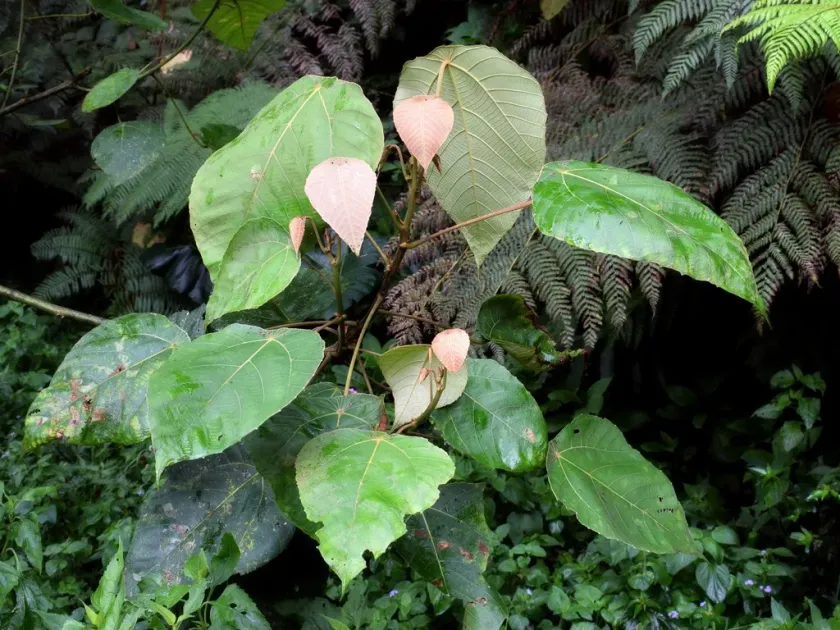
Description
Growing requirements
Macaranga rhizinoides is a woody plant belonging to the Euphorbiaceae family. It is recognized as a pioneer species in tropical forests, characterized by rapid growth rates and the ability to colonize disturbed areas such as former logging sites or clearing zones.
The cultivation of this species requires a warm and humid tropical climate. It thrives in full sunlight, making it highly effective for reforestation programs that aim to rapidly establish a forest canopy in barren or degraded landscapes.
Regarding soil preferences, the plant is adaptable to various soil types, provided they offer adequate drainage. It is well-suited for environments where nutrient levels may be sub-optimal, as it contributes significantly to soil stabilization and organic matter accumulation.
Agrotechnical practices are focused on initial seedling establishment. Due to its nature as a fast-growing species, it generally requires little maintenance once established, though thinning may be necessary in commercial forestry applications to optimize biomass quality.
The economic importance of Macaranga rhizinoides lies in its wood, which is utilized for light construction, packaging, and pulp. Beyond its utility, it plays a vital ecological role by protecting the topsoil from erosion and restoring the local ecosystem.
Main diseases and pests
The primary threats to Macaranga rhizinoides include various fungal pathogens that flourish in high-humidity tropical conditions, which can lead to leaf spots and systemic infections if air circulation is poor.
Pests such as aphids and mealybugs represent a recurring challenge for young specimens, as they target succulent tissues and can significantly stunt growth during the early developmental stages.
Root pathogens remain a concern in areas with inadequate soil drainage, where waterlogging triggers fungal decay, potentially leading to the death of young seedlings or weakened older trees.
Additionally, defoliating insects, including various types of caterpillars, can cause significant damage to the canopy, necessitating monitoring of infestation levels in intensive plantation settings.
Effective management includes regular inspection for signs of fungal or insect attacks, along with ensuring proper spacing between trees to maintain a healthy environment and prevent the spread of diseases across the plantation.