
Macaranga peltata
Macaranga peltata
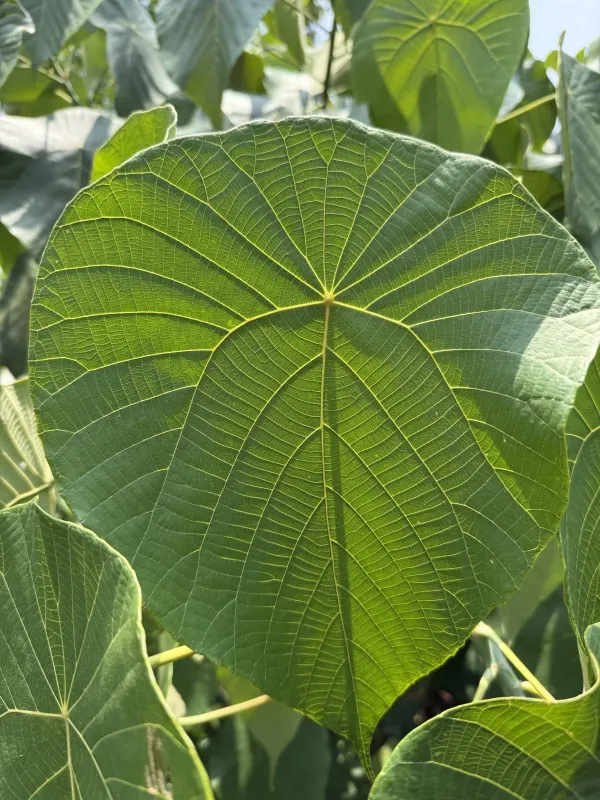
Description
Growing requirements
Macaranga peltata is a fast-growing, evergreen tree belonging to the Euphorbiaceae family. It is highly regarded in forestry for its rapid biomass production and its role as a pioneer species in tropical ecosystems.
Originating from the tropical regions of India, Sri Lanka, and Southeast Asia, the plant thrives in warm and humid environments. It is strictly limited to tropical climates and lacks cold tolerance, making it unsuitable for temperate agricultural regions.
The tree prefers well-drained, fertile soils with high organic content. However, due to its resilient nature, it can colonize disturbed lands, abandoned farms, and degraded forest soils, making it an excellent candidate for reforestation projects.
Agricultural practices for this species focus on site preparation and spacing management. Since it is a light-demanding tree, ensuring adequate sunlight exposure is vital for the development of a healthy and straight trunk.
Water management is essential during the early stages of establishment. Once matured, the tree demonstrates significant adaptability to local precipitation patterns, provided the humidity remains high throughout the year.
Main diseases and pests
Macaranga peltata is susceptible to several fungal diseases, particularly leaf spot infections triggered by excessive moisture and poor air circulation within dense plantations. Prompt intervention is necessary to prevent spread.
Insect pests, such as leaf-eating caterpillars and aphids, pose a risk to younger plants. These pests can significantly stunt the growth of saplings, necessitating regular monitoring during the vulnerable initial phases of growth.
Root rot is a major threat in areas with poor drainage. Managing soil water levels is the most effective preventative measure against these systemic plant pathologies that often lead to premature tree mortality.
Stem borers can cause structural damage to the wood, reducing its commercial value. Maintaining plant vigor through proper nutrient management helps the trees better withstand pest attacks.
Vertebrate pests, including small rodents, can damage the bark and root systems of young trees. Protective measures, such as mechanical barriers, are often employed in commercial plantation settings.