
Macaranga monandra
Macaranga monandra
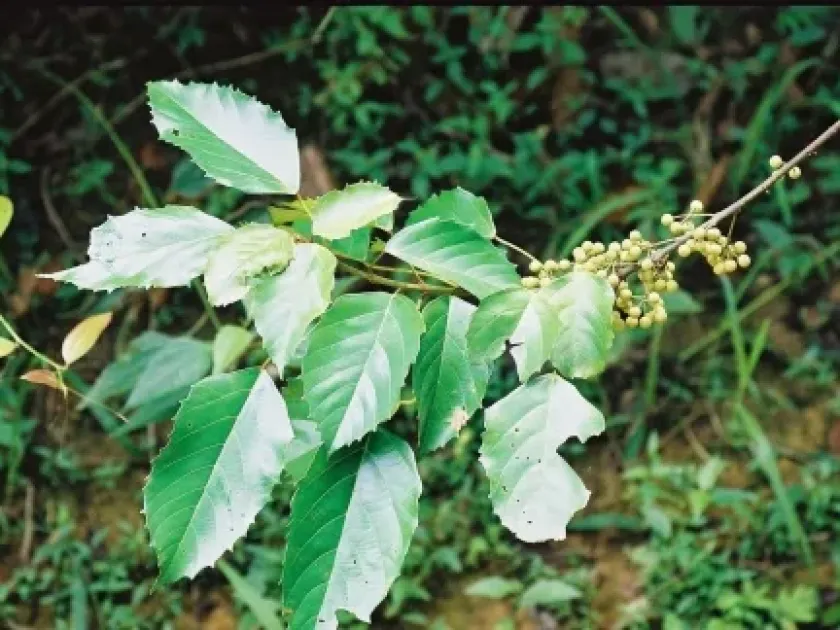
Description
Sowing dates
Macaranga monandra is a botanical species belonging to the Euphorbiaceae family, widely distributed in tropical regions. It is characterized by rapid growth in the early stages, making it a pioneer species in forest succession.
Propagation is primarily achieved through seeds, which require specific conditions for germination. Nurseries typically utilize well-drained, nutrient-rich potting mixes to ensure successful seedling development.
The optimal sowing time coincides with the start of the rainy season to benefit from natural precipitation. Seeds should be placed in containers at a depth that maintains constant moisture without drowning the embryo.
Transplanting seedlings to their final location is best performed when they reach 30–50 cm in height. Care must be taken to minimize root disturbance to ensure high survival rates during the transition to forest soils.
Planting density is generally managed based on the expected canopy closure, usually ranging from 400 to 600 individuals per hectare. Proper spacing ensures adequate access to light for each tree.
Growing requirements
The plant demands a warm, tropical climate with stable temperatures throughout the year. It cannot survive in environments with frost or significant seasonal temperature drops, limiting its cultivation to tropical zones.
Well-drained, fertile soil is a primary requirement for optimal growth. While the plant can adapt to different soil textures, it thrives best in deep, moist forest soils that are rich in decomposing organic matter.
High levels of solar radiation are essential as the species is highly light-demanding. Open areas or gaps in the canopy provide the best conditions for vertical growth and trunk development.
Water availability is critical, especially during the early developmental years. High ambient humidity supports the metabolic processes necessary for rapid biomass accumulation.
Agronomic maintenance includes mulching to conserve moisture and suppress competing weeds. Given the plant's natural adaptation to tropical cycles, minimizing chemical interventions is generally preferred.
Yield
Macaranga monandra is primarily valued for its wood production, which is suitable for pulp manufacturing and light construction materials. Its fast-growing nature provides a relatively quick harvest cycle.
Technical maturity for logging can be achieved within 10 to 15 years, depending on site conditions and soil quality. This short rotation period is a significant advantage for commercial forestry projects.
The species also contributes significantly to soil health. Its leaf litter decomposes quickly, providing essential nutrients and improving soil structure, which benefits other plants in agroforestry systems.
Yield estimation is calculated based on the total biomass increment per hectare per year. Consistent management can significantly boost the overall return on investment through optimized forest growth.
Sustainable harvesting techniques, such as selective thinning, ensure the forest can regenerate naturally, maintaining a continuous supply of wood resources over long periods.
Main diseases and pests
Pest attacks, particularly by leaf-eating insects, can be a major challenge for young plantations. Frequent monitoring and timely intervention are necessary to maintain foliage health.
Fungal diseases are a risk, especially in areas with poor drainage or excessive humidity. Maintaining healthy air circulation and ensuring the soil is not waterlogged can prevent most root-related infections.
Competition from aggressive climbing vines can significantly hinder the vertical growth of young trees. Regular manual weeding is required to protect the main stems and ensure uninterrupted light access.
Small mammals and rodents may cause mechanical damage to the bark of young plants. Protecting the trunks with appropriate physical barriers is a standard practice during the first three years.
Environmental stress, such as prolonged drought, can weaken the trees, making them more susceptible to secondary pathogenic infections. Keeping the trees healthy through appropriate soil care is essential.