
Macaranga harveyana
Macaranga harveyana
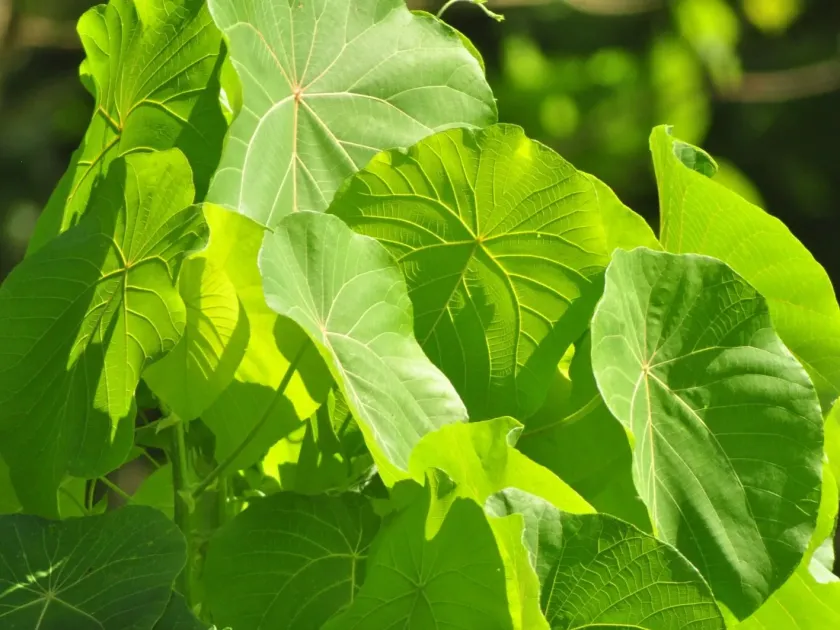
Description
Growing requirements
Macaranga harveyana is a distinctive tree species belonging to the Euphorbiaceae family. It is native to the tropical regions of the Pacific, where it plays a critical role in forest succession and ecosystem stability.
This species thrives in high-humidity tropical climates with consistent temperatures throughout the year. It exhibits significant adaptability to varied soil conditions, although it prefers well-drained volcanic or loamy soils typical of its native range.
Botanically, it is recognized as a pioneer species capable of rapid growth after forest disturbances. Its canopy coverage is broad, allowing it to dominate early-successional plant communities and provide shade for secondary species.
The morphology of the plant includes simple alternate leaves and often hollow stems, which provide structural advantages in wind-prone coastal environments. These traits enable the tree to survive and flourish in competitive forest margins.
Cultivation requirements involve ensuring adequate sunlight, as the species is intolerant to dense shade for prolonged periods. Adequate moisture levels are crucial, especially during the early stages of development and tree establishment.
Harvesting
The utility of Macaranga harveyana is primarily focused on its wood, which is utilized for light construction purposes, agricultural tools, and artisanal woodworking. The lightness of the material is highly valued in local craftsmanship.
Harvesting techniques vary according to local traditions, focusing on selective logging rather than large-scale clearing. This approach helps maintain the structural integrity of the tropical forest and supports sustainable management practices.
Besides wood, the plant has potential applications in pharmacology. Studies have indicated that parts of the tree contain phytochemicals with significant biological activity, which are currently being explored by researchers.
Environmental maintenance is a key part of the harvest strategy. By managing stands of this tree, practitioners help prevent soil erosion on sensitive tropical slopes and maintain ecological corridors for indigenous fauna.
Future agricultural potential includes using the species in agroforestry systems to provide shelter for crops and improve soil fertility through leaf litter decomposition. This integrated approach optimizes land use in tropical climates.