
Macaranga grandifolia
Macaranga grandifolia
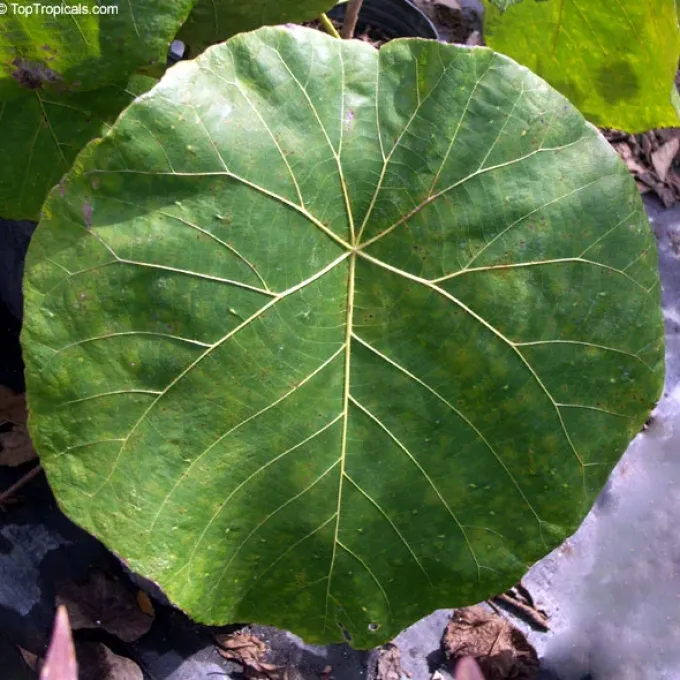
Description
Growing requirements
Macaranga grandifolia is a prominent member of the Euphorbiaceae family. This species is widely recognized as a fast-growing pioneer plant, characteristic of tropical rain forest ecosystems.
The culture thrives in tropical climates where the temperature remains consistently warm, ideally between +23 and +30 degrees Celsius, with high humidity levels throughout the year.
Optimal soil conditions include fertile, well-draining substrates with a slightly acidic or neutral pH. The root system is sensitive to waterlogging, necessitating excellent soil aeration.
Regarding lighting, this tree performs best in locations with high levels of indirect or filtered sunlight. While it can tolerate partial shade, maximum biomass production is achieved under full light exposure.
Standard cultivation practices require consistent moisture management, particularly during the juvenile phase, to ensure the plant establishes a robust root network.
Yield
Macaranga grandifolia is primarily cultivated for its rapid production of woody biomass, which is utilized in various sectors including pulp production and secondary timber industries.
The species serves as an essential component in agroforestry systems, where it is used to stabilize soils and provide shade for more sensitive understory crops.
Industrial utilization is also linked to the plant's natural resins, which have potential applications in the development of ecological adhesives and varnishes.
Harvest cycles are relatively short compared to hardwood trees, making it a sustainable choice for quick reforestation and continuous biomass supply projects.
The cultivation of this plant contributes to the restoration of degraded tropical landscapes, providing both an economic return and environmental improvement.
Main diseases and pests
Pest management for Macaranga often focuses on sap-sucking insects such as mealybugs and scale insects, which can severely stress the tree if populations are not controlled.
Fungal infections, particularly leaf spot diseases, are a significant threat in areas with poor airflow and excessive humidity levels, leading to premature leaf drop.
Integrated pest management strategies are recommended, focusing on maintaining tree vigor through appropriate fertilization and site selection to minimize vulnerability.
Monitoring for signs of rot or insect infestation should be routine, especially during the wetter months of the year when humidity peaks in the plantation.
Cultural control measures, including spacing trees to encourage airflow and sanitation pruning, are the most effective ways to manage potential disease outbreaks.