
Macaranga diepenhorstii
Macaranga diepenhorstii
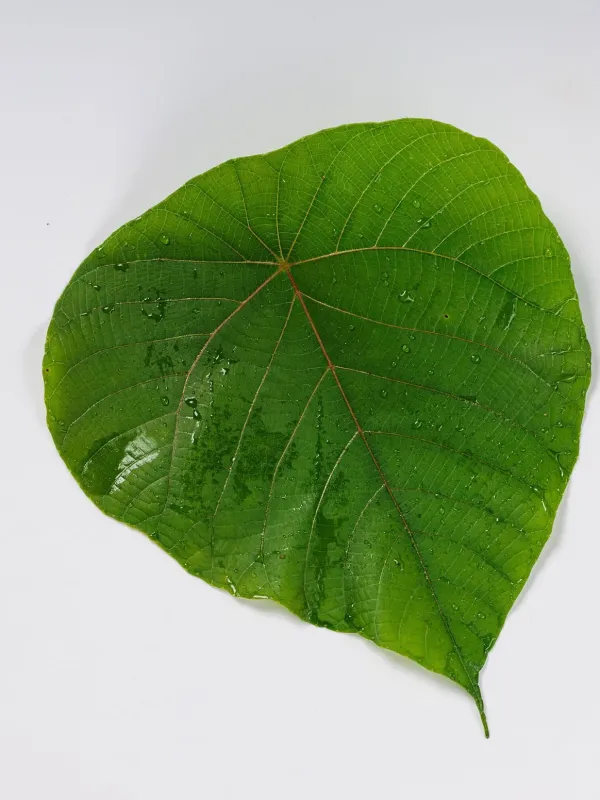
Description
Growing requirements
Macaranga diepenhorstii is a notable fast-growing tree species belonging to the Euphorbiaceae family. Native to the tropical rainforests of Southeast Asia, this tree serves as a vital pioneer species, actively participating in the succession of disturbed forest areas.
The culture thrives in a tropical climate characterized by constant warmth and high humidity levels throughout the year. It does not tolerate prolonged frost or dry spells, making its cultivation restricted to tropical zones where precipitation is abundant and evenly distributed.
For optimal growth, the species requires well-drained, nutrient-rich soils. While it can adapt to various soil types, it performs best in loose, aerated substrates that prevent waterlogging. Good drainage is essential, as the roots are highly susceptible to rot in stagnant moisture.
Sunlight is a critical factor for Macaranga diepenhorstii, as it is a light-demanding species. In forest plantations, it is often utilized to rapidly cover open areas, effectively outcompeting invasive weeds and stabilizing the soil through its expansive root system.
Agrotechnical management includes initial weed control during the seedling establishment phase. As the tree matures, it creates a canopy that naturally limits the undergrowth, reducing the need for intensive human intervention in later stages of the rotation cycle.
Harvesting
The primary agricultural interest in this species lies in its wood production capabilities. The timber is generally lightweight, making it suitable for plywood manufacturing, construction of light structures, and the pulp and paper industry in its native range.