
Ludwigia
Ludwigia L.
Ludwigia, a genus within the Onagraceae family, comprises numerous species of flowering plants known for their versatility in both terrestrial and aquatic environments. These perennial herbs originate from tropical and temperate regions, often thriving in wetlands, marshes, and along riverbanks across the globe.
What the section contains

Ludwigia
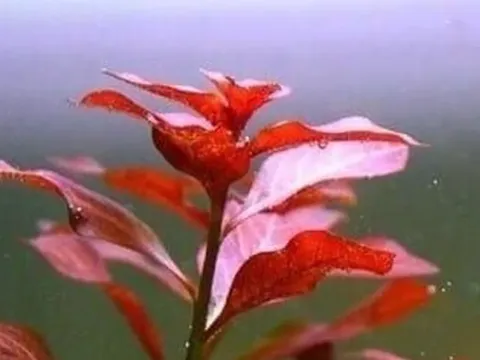
The botanical structure of Ludwigia is marked by succulent or woody stems that exhibit strong vegetative propagation capabilities. The leaves range from lanceolate to ovate and are highly valued for their vibrant color palette, which includes shades of green, yellow, orange, and deep crimson depending on light levels.
Environmental requirements for these plants are centered around high-intensity lighting. To maintain compact growth and intense coloration, they require significant photon flux density. Without adequate light, the plants tend to stretch, lose leaf density, and fade to a lackluster green color.
Substrate requirements vary by species, but a nutrient-rich base is generally preferred. When cultivated in artificial environments, such as hydro-farms or aquariums, the substrate should be fine-grained and slightly acidic to support efficient nutrient uptake by the roots. Maintaining mineral balance is essential for preventing deficiencies.
Temperature control is paramount for optimal growth. Ludwigia species typically thrive in stable environments with temperatures ranging from 22°C to 28°C. Deviations in thermal stability can lead to stunted growth or premature senescence of the foliage, impacting the overall health and ornamental quality of the crop.
Common pests affecting Ludwigia include aphids and spider mites, particularly in greenhouse conditions where low humidity may occur. In aquatic settings, snails and certain types of algae, such as hair algae, can compete for nutrients or physically damage the delicate leaf tissues of the plant.
Pathogenic threats include various root rots triggered by anaerobic soil conditions or water stagnation. Furthermore, iron deficiency leading to interveinal chlorosis is a major physiological disorder, often mistaken for a disease, which requires immediate adjustment of the nutrient delivery system.