
Water primrose
Ludwigia adscendens (L.) H. Hara
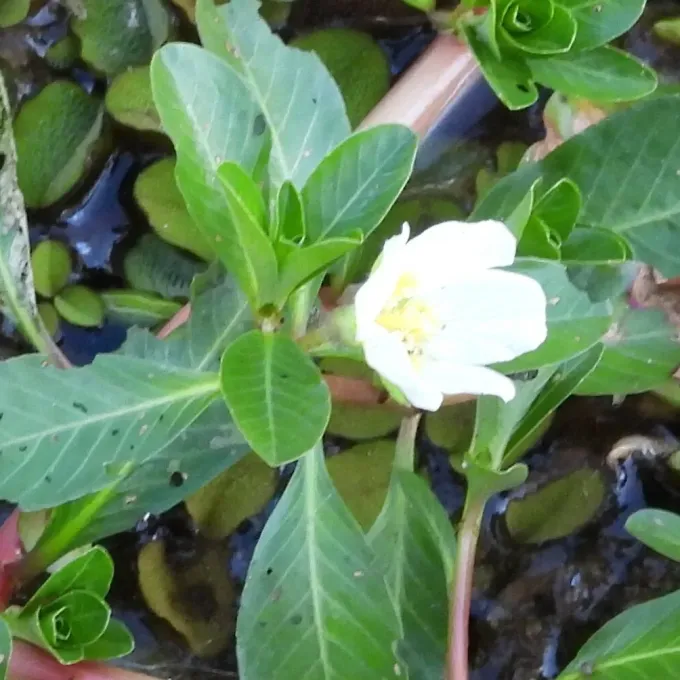
Description
Growing requirements
Water primrose (Ludwigia adscendens) is a perennial aquatic plant belonging to the Onagraceae family. It is native to tropical and subtropical Asia, typically thriving in wetlands, ponds, and slow-moving rivers where it forms extensive colonies along the water surface.
The plant is distinguished by its unique floating mechanism, involving specialized aerenchyma tissues in the roots that provide buoyancy. This adaptation allows the stem to remain upright or float horizontally, facilitating optimal photosynthetic activity under high-light conditions.
Agro-climatic requirements are centered on consistently warm temperatures, with the ideal range being between 22 and 28 degrees Celsius. Water quality is of paramount importance; the plant prefers neutral to slightly acidic water environments with sufficient nutrient availability in the substrate.
Soil management involves ensuring a nutrient-rich, soft muddy substrate that supports the proliferation of adventitious roots. In controlled cultivation environments, maintaining a stable water depth is essential to prevent physiological stress caused by drastic fluctuations in the water table.
Agronomic practices include ensuring sufficient spacing between plants to allow for adequate water circulation and light penetration. Regular monitoring of water chemistry, particularly nitrogen and phosphorus levels, is necessary to sustain high growth rates throughout the vegetation period.
Yield
The plant serves multiple purposes in agricultural systems, including its use as a source of medicinal compounds and in the phytoremediation of contaminated water. Due to its rapid biomass production, it acts as a highly efficient bio-filter in wastewater treatment ponds.
In addition to its ecological utility, certain parts of the plant are utilized in traditional culinary practices as a green vegetable. Consistent harvesting methods are employed to manage population density while ensuring a reliable supply of biomass for both food and industrial extraction.
Main diseases and pests
Primary threats to the crop include fungal leaf spot diseases that thrive in stagnant, high-humidity environments. Preventive measures include ensuring good water movement and removing debris that could harbor spores, thereby minimizing the risk of infection.
Insect pests, such as aquatic beetles and snails, can graze extensively on the foliage if populations are left unchecked. Integrated pest management strategies, focusing on the introduction of beneficial aquatic predators, are typically employed to protect crop yields without chemical intervention.