
Artemisia ludoviciana
Artemisia ludoviciana Nutt.
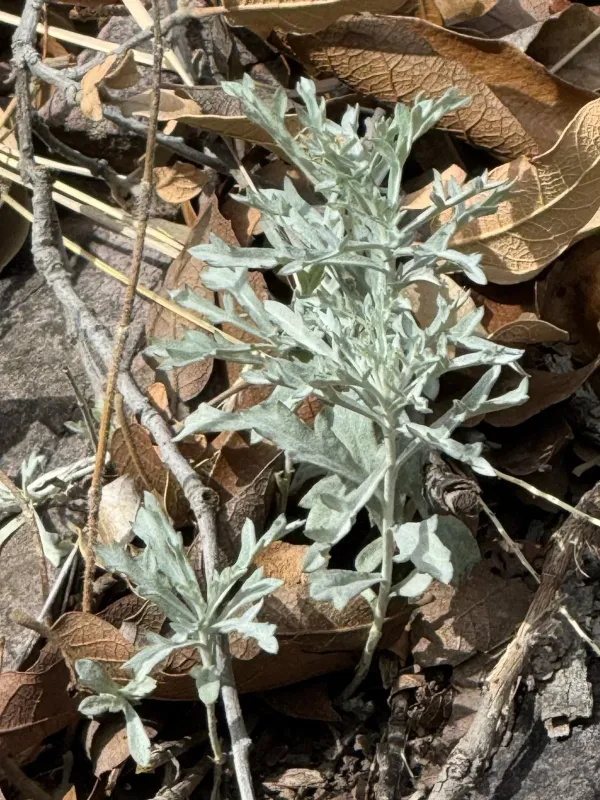
Description
Growing requirements
Artemisia ludoviciana, commonly known as Louisiana wormwood, is a perennial plant within the Asteraceae family. Native to North America, it is highly valued for its striking silver-grey foliage and adaptability to harsh environmental conditions.
This species thrives in full sun exposure, which is essential for maintaining its distinct silvery leaf color. It prefers well-drained, sandy, or rocky soils and is notoriously tolerant of poor nutrient conditions, making it an excellent choice for low-maintenance landscapes.
The plant is exceptionally drought-tolerant once established, thanks to its deep root system. It can survive in diverse climates, ranging from hot, dry summers to cold winters, demonstrating remarkable winter hardiness across many temperate zones.
Regarding agrotechnical practices, the plant spreads vigorously via underground rhizomes. Gardeners should plan for this aggressive growth pattern by providing sufficient space or installing root barriers to manage its expansion into unwanted areas of the garden.
In terms of usage, Artemisia ludoviciana serves primarily as a decorative element for borders, rock gardens, and xeriscaping. It is also highly prized in dried floral arrangements due to its ability to retain its structure and color long after harvesting.
Main diseases and pests
Artemisia ludoviciana is generally robust and rarely bothered by significant insect infestations. Its bitter taste and aromatic oils act as a natural deterrent against many common garden pests that typically feed on more succulent plants.
The main threats to the plant's health are fungal diseases triggered by high humidity and poor air circulation. Powdery mildew can occur if the foliage remains wet for extended periods, especially during humid summer months.
To mitigate the risk of disease, it is crucial to ensure proper plant spacing during installation. This promotes healthy airflow throughout the foliage, allowing the plant to dry off quickly after irrigation or rainfall events.
Root rot can also be an issue if the plant is grown in heavy, poorly drained soil. If a garden bed lacks natural drainage, adding grit or sand to the soil profile can significantly improve conditions and prevent long-term damage to the root system.
Regular maintenance, such as cutting back the plants in late autumn, helps rejuvenate the growth for the following season and removes any potential sites where fungal spores might overwinter in the garden environment.