
Litsea teysmanni
Litsea teysmanni
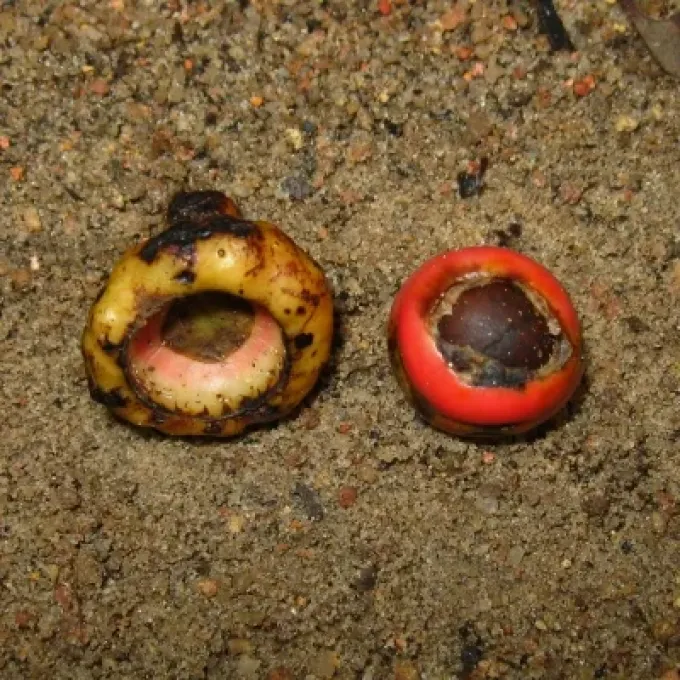
Description
Growing requirements
Litsea teysmanni belongs to the Lauraceae family, comprising several species of evergreen trees and shrubs. Originating from the tropical regions of Southeast Asia, this tree thrives in high-humidity environments typical of tropical rainforest ecosystems.
The plant requires a stable, warm climate throughout the year to maintain optimal metabolic activity. It is highly sensitive to frost, and therefore, cultivation is limited to tropical and subtropical zones where temperatures rarely drop below 15 degrees Celsius.
Soil requirements for Litsea teysmanni include deep, nutrient-rich loamy soils with excellent water permeability. It does not tolerate waterlogging, which often leads to root decay, necessitating the selection of well-draining landscape positions.
Agrotechnical practices focus on maintaining consistent soil moisture through mulching and periodic fertilization with organic matter. While young plants benefit from partial shade, mature specimens require sufficient canopy exposure to encourage healthy leaf production.
Economically, Litsea teysmanni is valued for its essential oil production, which is extracted from the leaves and bark. These oils are frequently utilized in the fragrance and pharmaceutical industries, making it a niche but economically viable crop.
Main diseases and pests
Fungal diseases are a major threat, particularly root rot (Phytophthora spp.), which is often exacerbated by poor soil drainage. Managing water levels and ensuring adequate spacing between plants are the most effective preventive measures.
Common pests include spider mites and scale insects, which proliferate in periods of low rainfall and high heat. Regular monitoring and the application of horticultural oils or biological control agents are recommended to maintain plant vigor.