
Litsea aurea
Litsea aurea
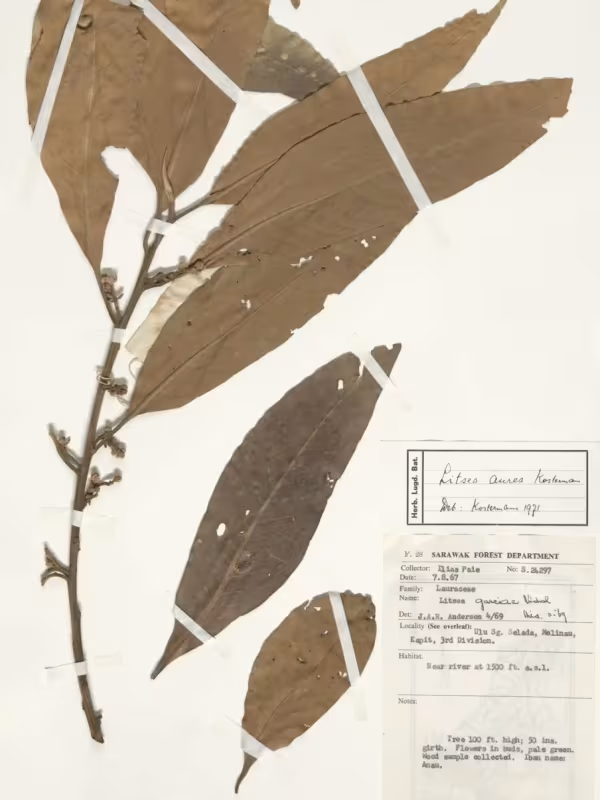
Description
Growing requirements
Litsea aurea is a notable member of the Lauraceae family, recognized for its botanical significance and chemical properties. It is a perennial evergreen plant that thrives in humid subtropical conditions. Historically distributed in specific Asian regions, its cultivation has expanded due to the growing global demand for natural essential oils.
Climate requirements for this crop are quite specific; it demands a stable, frost-free environment with high humidity levels. The plant is particularly sensitive to sudden temperature drops and requires protection from harsh winds. Consistent warmth during the growing season is essential for the accumulation of active metabolites within the leaf tissues.
The soil profile for Litsea aurea should be nutrient-rich, deep, and well-drained. Sandy loams are ideal, as they prevent waterlogging while maintaining necessary moisture retention. The pH level is a critical factor, with a preference for slightly acidic to neutral soils. Proper soil preparation before planting is necessary to ensure long-term productivity.
Agronomic management includes regular pruning to maintain an optimal tree architecture, which facilitates efficient harvesting of leaves and branches. Fertilization protocols should focus on nitrogen for leafy biomass production and potassium for overall plant health. Integrated water management is vital, as the crop requires consistent hydration without saturated root zones.
Industrial applications of the crop include the extraction of aromatic oils for the cosmetic and pharmaceutical industries. These oils are known for their distinctive fragrance and bioactive compounds. Beyond its aromatic use, the plant contributes to local ecosystems by providing shade and preventing soil erosion on sloped agricultural lands.
Main diseases and pests
Pest management for Litsea aurea involves monitoring for sucking insects, such as aphids and scale insects, which can weaken the tree if left unchecked. Fungal pathogens, including root rots, represent the most significant threat during periods of high precipitation and poor drainage. Maintaining clean cultivation practices and ensuring proper airflow between trees are the best preventive strategies against common biological threats.