
Pondspice
Litsea aestivalis
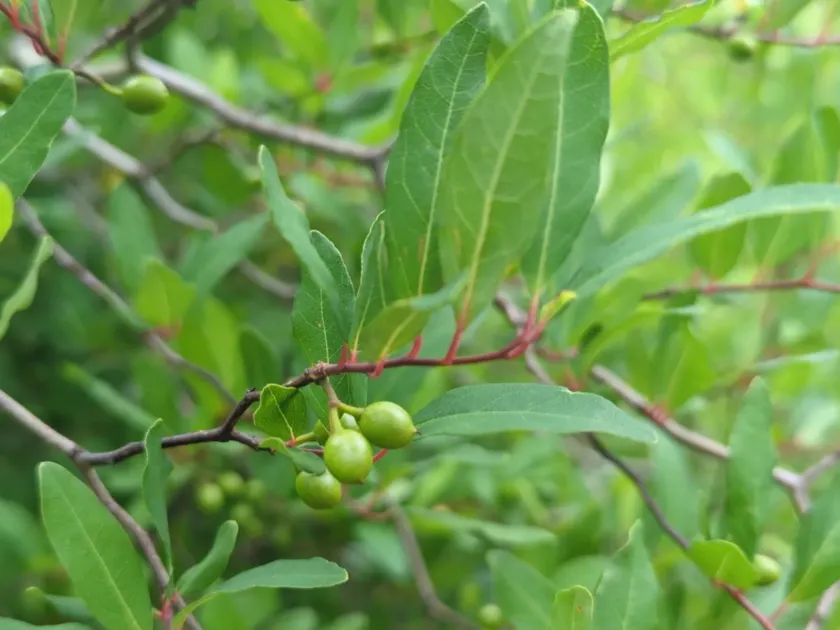
Description
Growing requirements
Pondspice (Litsea aestivalis) is a deciduous shrub belonging to the Lauraceae family. It is a unique plant species typically found in wetlands and moist habitats throughout its native range.
For successful cultivation, this plant requires a humid environment and consistent moisture. It thrives in locations that mimic its natural wetland surroundings, showing a preference for stable water levels.
The soil should be rich in organic matter and acidic in nature. Proper soil structure is essential to support the plant's root system, which is adapted to high moisture levels rather than arid conditions.
Pondspice performs best in areas with partial to full sun exposure, although it requires protection from excessive heat and wind to maintain optimal leaf development.
Agricultural management involves regular moisture monitoring and soil amendment with organic fertilizers to ensure the plant remains vigorous and productive throughout the growing season.
Yield
The cultivation of Pondspice is primarily focused on its aromatic properties. The leaves and stems are harvested to extract essential oils, which are highly valued in niche markets.
Yield capacity is influenced by the plant's age and environmental consistency. Mature shrubs produce a higher density of foliage, which is the main source of the desirable aromatic compounds.
To maximize yields, growers often implement structural pruning. This practice helps maintain the desired plant shape and encourages the growth of new, tender shoots rich in oils.
Monitoring the harvest cycle is critical. The quality of the oil extract depends heavily on the time of harvest and the subsequent speed of drying and processing.
Overall, while it is not a large-scale commercial crop, it provides a stable yield when managed under controlled conditions that simulate its preferred ecological niche.
Main diseases and pests
Pondspice is susceptible to root rot if the drainage is completely stagnant for long periods, although it loves moisture, it needs a degree of aeration in the soil substrate.
Common pests like aphids or scale insects may target the foliage. Regular scouting of the plantations is necessary to catch any infestations before they cause significant economic loss.
Fungal diseases are a primary concern, especially in humid conditions with poor air circulation. Proper spacing between plants can significantly reduce the risk of infection.
Weed competition should be strictly controlled, as weeds can harbor diseases and pests that specifically target Lauraceae species, jeopardizing the plant health.
Integrated pest management strategies are recommended, focusing on maintaining plant vigor through proper nutrition and hygiene to minimize the need for chemical intervention.
Harvesting
Harvesting Pondspice is typically performed during the late summer months when the leaves have reached their peak maturity and aromatic potential.
Workers use careful pruning methods to ensure that the plant retains enough foliage to support continued growth for the following season without causing undue stress.
Immediate processing is crucial for maintaining the integrity of the essential oils. The leaves are typically dried at low temperatures to prevent the loss of volatile compounds.
Post-harvest handling must be conducted in clean, cool environments to ensure the final product meets the quality standards required for cosmetic or medicinal applications.
The timing of the harvest is usually determined by the specific volatile profile, often measured in small batches to ensure the peak quality of the final crop output.