
Mangeao
Litsea calicaris
Description
Growing requirements
Mangeao (Litsea calicaris) is an evergreen tree belonging to the Lauraceae family. Native to the North Island of New Zealand, it is a significant part of the region's unique biodiversity, naturally occurring in coastal and lowland forest habitats.
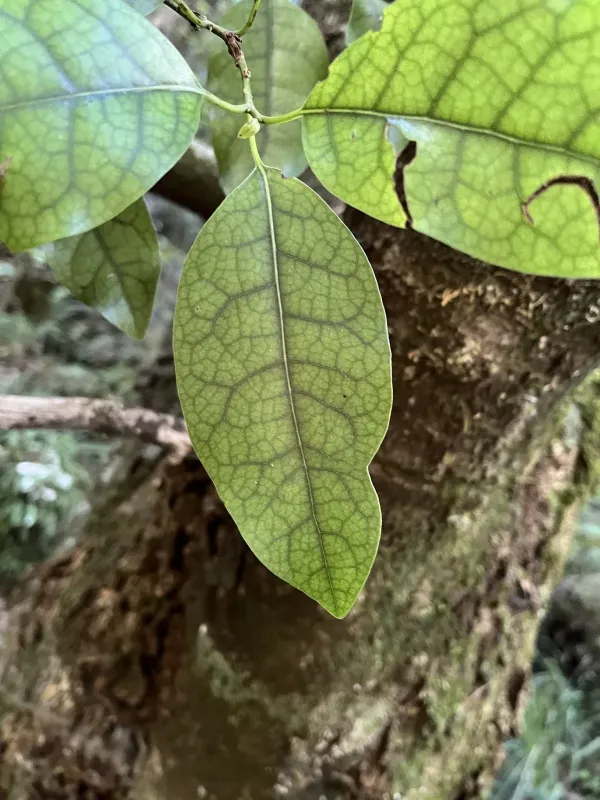
Botanically, this species is recognized for its thick, leathery leaves and distinctive small, fragrant flowers that appear in clusters. It typically grows as a medium-sized tree, providing dense canopy cover in its native environment.
Successful cultivation of Mangeao requires a mild, frost-free climate with consistent rainfall. The tree demands well-draining, nutrient-rich soil to thrive, as it cannot tolerate waterlogged conditions which often lead to root rot.
Agrotechnical management involves regular mulching to maintain soil moisture and moderate fertilization to support healthy foliage development. Young specimens require shelter from strong winds, which can damage the tender branches.
In terms of usage, the timber is known for its strength and flexibility, historically used by indigenous people for specialized tools. Today, it is primarily appreciated in botanical gardens and restorative landscaping for its aesthetic and ecological value.
Main diseases and pests
The primary threats to Litsea calicaris include fungal pathogens that exploit high humidity and poor ventilation within the tree's dense canopy structure.
Pest pressures primarily involve scale insects and mealybugs, which tend to infest leaves and young stems, drawing essential nutrients from the plant.
Effective management includes regular monitoring of foliage for signs of chlorosis or insect webs, allowing for early intervention before infestations become severe.
Pruning is essential for removing deadwood and improving airflow, which significantly reduces the likelihood of fungal outbreaks in humid conditions.
Maintaining a healthy, balanced soil microenvironment through careful irrigation is the best preventative measure against the most common soil-borne diseases affecting the root system.