
Litsea castanea
Litsea castanea
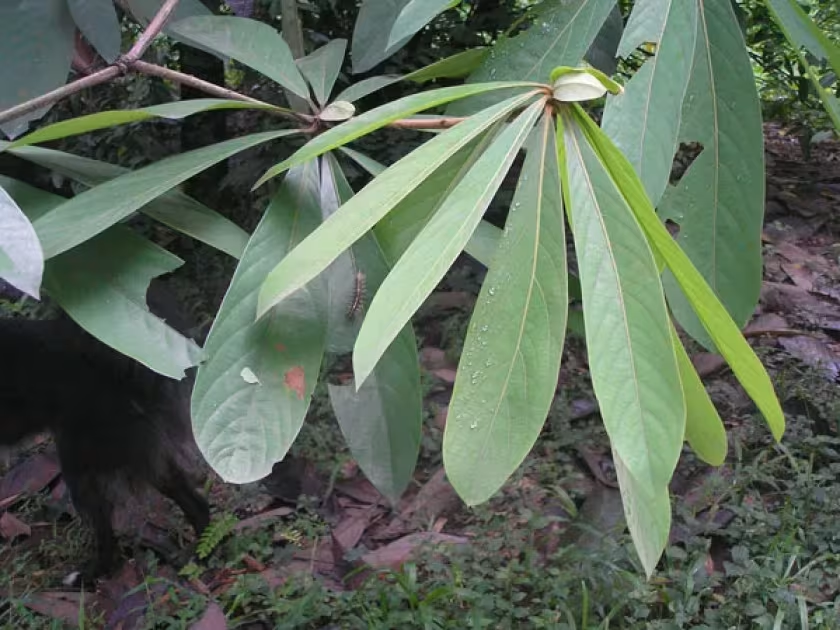
Description
Growing requirements
Litsea castanea belongs to the Lauraceae family and is recognized as a significant evergreen tree species in tropical agroforestry. It is native to the diverse forest ecosystems of Southeast Asia, where it thrives in specific humid conditions.
Climate requirements for this species are strict, favoring tropical environments with consistent temperatures and high humidity levels. The plant is particularly sensitive to frost, which limits its commercial cultivation to frost-free regions.
Soil quality is paramount for Litsea development; it requires well-drained, nutrient-rich soil to prevent root stagnation. In areas with heavier soil profiles, agricultural management often includes raised beds or advanced drainage systems to sustain root health.
Modern agrotechnical practices focus on moisture management and nutrient delivery. Balanced fertilization is essential to maximize the synthesis of essential oils in the leaves, which constitutes the primary economic value of the species.
Industrial applications are extensive, spanning from the extraction of citral-rich oils used in the fragrance and flavor industries to the utilization of its durable timber in local construction projects.
Main diseases and pests
The most prevalent threats to Litsea castanea plantations are soil-borne pathogens, specifically fungal root rots, which often thrive in stagnant water conditions. Early detection is crucial to prevent widespread loss in a stand.
Insects like tropical aphids and scale insects are common pests that target young foliage. These infestations can significantly deplete the plant's energy resources and hinder the development of the essential oil profiles.
Integrated Pest Management (IPM) strategies are utilized to maintain plantation health without compromising the chemical purity of the final oil product. This involves utilizing biological predators and targeted organic treatments.
Mechanical damage during harvesting or maintenance can serve as an entry point for various bacterial infections. Thus, strict adherence to pruning hygiene and tool sterilization protocols is mandatory for plantation managers.
Ongoing research aims to identify cultivars with natural resistance to prevalent regional diseases, which is a vital step toward ensuring the long-term sustainability of Litsea cultivation worldwide.