
Litsea accedentoides
Litsea accedentoides
Description
Growing requirements
Litsea accedentoides is a distinct evergreen tree species belonging to the Lauraceae family. It naturally thrives in the humid, tropical environments of Southeast Asia, playing a vital role in local forest biodiversity.
To cultivate this species effectively, one must ensure a growing environment that mimics its natural habitat. The plant requires nutrient-rich, well-draining soil with a slightly acidic profile to support its extensive root system.
Environmental moisture is paramount; the tree exhibits high water requirements throughout the year. It does not tolerate prolonged drought, making consistent irrigation systems necessary for plantation success in less humid regions.
The optimal thermal range for vigorous growth is between 20 and 30 degrees Celsius. The species is highly sensitive to frost, which limits its commercial cultivation to specific tropical climate zones where temperatures remain stable year-round.
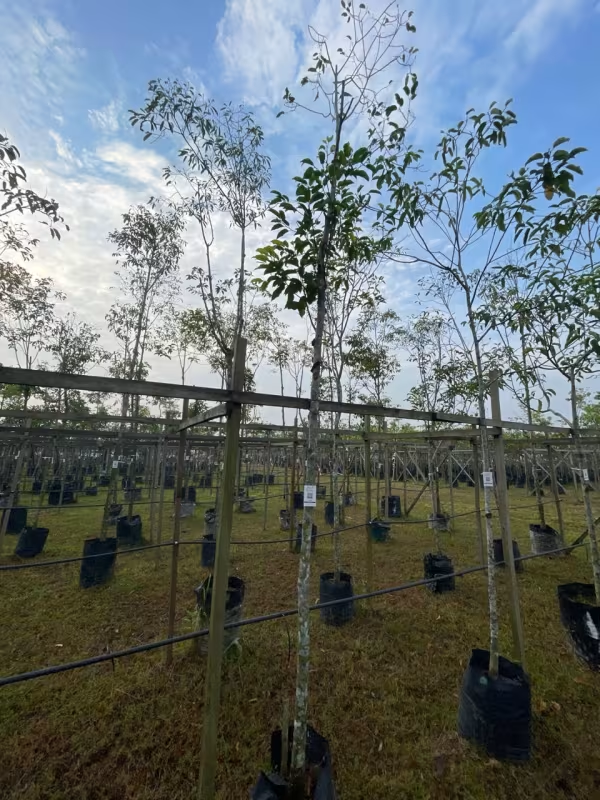
Strategic positioning is essential, as young trees require partial shading. Protective canopy layers or artificial shading nets help prevent heat stress and desiccation of foliage during the intense midday sun.
Harvesting
The primary economic value of Litsea accedentoides lies in its essential oils, which are highly prized for their unique chemical profile. Harvesting techniques focus on gathering foliage and fruits without causing excessive damage to the mother tree.
Manual harvesting remains the standard, ensuring that leaves are collected at the peak of their aromatic content. Immediate post-harvest processing is critical to prevent the volatilization of valuable essential oil components.
Industrial extraction typically utilizes steam distillation. This method is preferred to maintain the integrity of the delicate compounds, ensuring the final oil meets high-quality industry standards for the perfumery and pharmaceutical sectors.
To maintain long-term yields, plantation managers implement cyclic pruning. This practice not only facilitates easier access to the harvest but also stimulates the development of fresh vegetative growth, leading to higher oil concentration.
The demand for natural, botanical-derived compounds continues to drive interest in the sustainable cultivation of this species, making it a viable component in diversified tropical agroforestry systems.